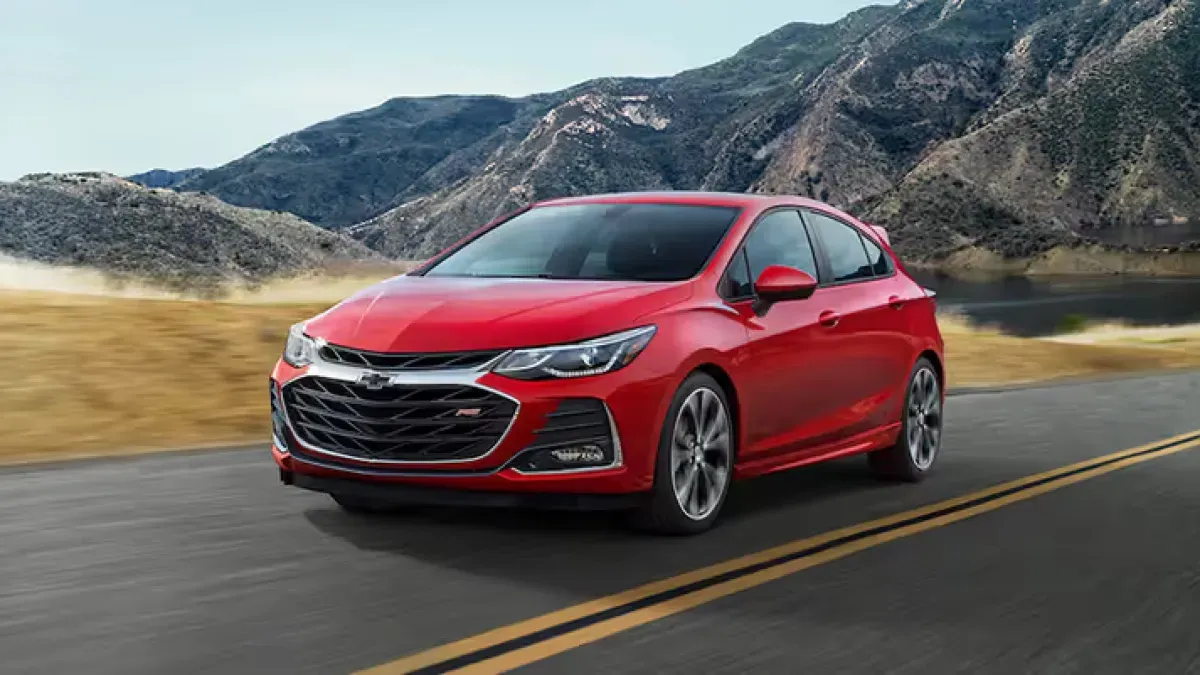
If you want to know what profitability looks like on Turo in 2025, look no further than the Chevrolet Cruze.
This humble sedan consistently sits at the very top of Annualized ROI rankings. It often blows past flashier cars like Teslas and Jeeps with percentage returns that can near 200%.
The Cruze is the perfect example of the Turo financial philosophy: the car that makes the highest percentage return is almost never the highest-earning car. Instead, it’s the car that costs the least to own while generating stable, reliable income.
However, there is a serious trap lurking in the used car market. To earn that top-tier ROI, you must know which model years to buy and, even more importantly, which years to completely avoid.
The ROI Math: Why the Cruze Wins
The Cruze is not the highest-earning car on the platform, but it is one of the most efficient assets you can own. This high percentage return comes down to two simple financial truths: low cost and steady demand.
#1 - Low Acquisition Cost
In 2025, a reliable, second-generation Chevrolet Cruze (2018–2019) typically holds a value between $11,000 and $13,000.
That low sticker price keeps your monthly loan payment extremely low. When you calculate ROI—earnings divided by cost—that tiny investment makes the return percentage skyrocket. You get a high percentage profit because your initial buy-in is minimal compared to a $40,000 SUV.
#2 - Stable Earnings
Guests are always looking for a reliable, no-fuss commuter car. The Cruze fills that need perfectly. It delivers predictable earnings year-round, often pulling in an estimated $7,300 per year.
The daily rates are low, but the utilization is high. A car booked 25 days a month at $30 easily beats a luxury car booked only 10 days a month at $50. In the world of rental assets, vacancy is the enemy, and the Cruze is almost never vacant.
Buying the Right Generation
This is the most important section for any host looking to buy a Cruze. You cannot simply buy the cheapest one you find. Doing so can lead to transmission failure and engine problems, wiping out your profit in one repair bill.
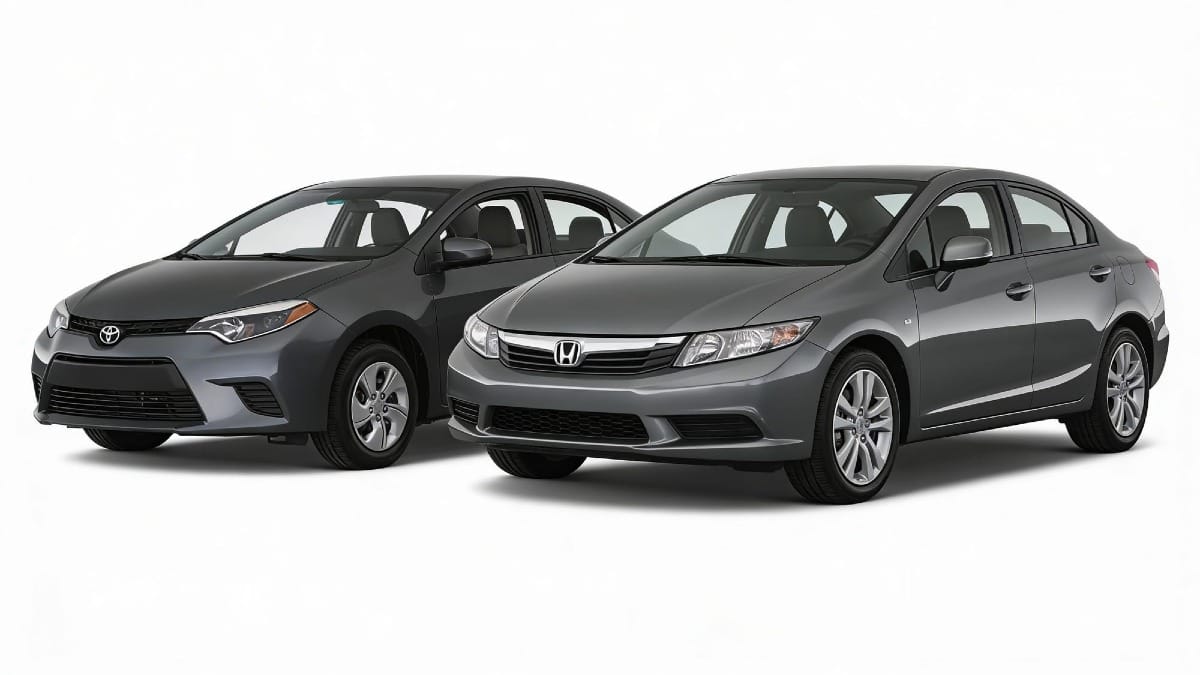
The Years to Avoid: The First Generation (2011–2015)
You should skip the entire first generation. These years are notorious for severe and expensive problems:
- Transmission Failure: This is a frequent report for 2011–2014 models. Failures can occur at low mileage, requiring costly replacements that often cost half the value of the car.
- Engine Problems: First-gen models, especially the 1.4L turbo, are known for blown head gaskets, cooling system meltdowns, and overheating.
- Coolant Leaks: It’s almost a joke in the mechanic community that if a 2013 Cruze isn't leaking coolant, it's because it’s already empty.
Verdict: If you see a Cruze from 2011 to 2015, walk away. The initial savings will be entirely lost at the repair shop.
The Years to Target: The Second Generation (2016–2019)
The second generation is a major upgrade in safety, tech, and reliability.
- 2018 and 2019 Models: These are the most refined years. They feature updated infotainment and significantly fewer owner complaints.
- Modern Tech: This generation includes Apple CarPlay and Android Auto—huge selling points for renters who need smartphone navigation.
- The 2019 Refresh: This final year allowed drivers to disable the "auto stop-start" feature, which was a major annoyance in earlier second-gen models.
Operational Costs: Maintenance and Fuel
The Cruze’s low running costs are what solidify its high ROI status.
Upkeep and Repairs
Average annual maintenance for a Cruze is roughly $545. While manageable, there are a few things to watch for to keep that profit margin high:
- The Turbocharger: The 1.4L engine in the second gen is much better than the first, but it still needs love. Strict oil change schedules (every 5,000–7,000 miles with full synthetic oil) are a must to keep the turbo healthy.
- The PCV System: A common "check engine light" issue involves the PCV (Positive Crankcase Ventilation) system. It can fail, often requiring a new valve cover or intake manifold. It's a known issue, but usually a one-time, manageable fix that won't break the bank.
Fuel Efficiency
The Cruze offers strong gas mileage, often hitting 30+ MPG in the city and up to 40+ MPG on the highway. This is a massive selling point for budget-conscious renters who are trying to avoid high fuel costs during their trip.
The "Before You Buy" Checklist
Before you sign the title on a used Cruze, run through this inspection list. Since these are often former rental or fleet cars, they may have had a hard life.
- Check the Coolant Hoses: Squeeze the hoses. If they feel crunchy or you see white/orange crust around the connectors, there’s a leak.
- The Turbo Spool: Listen for a high-pitched "dentist drill" sound when accelerating. That’s a sign the turbo is on its way out.
- The "StabiliTrak" Light: If this light is on, it could be anything from a bad sensor to a misfire. Don't buy the car until the seller clears the code and explains the fix.
- Brake Feel: Some 2018-2019 models have had recalls for rear brake caliper issues. Ensure the pedal feels firm and doesn't sink to the floor.
Maximizing Your Cruze Earnings
An economy car doesn't sell itself on flash; it sells on convenience and value.
- Target Utilization: Your goal isn't a high daily rate; it’s a full calendar. Enable Book Instantly and minimize your Advance Notice time to capture last-minute travelers.
- Airport Delivery: Offer affordable delivery to your local airport. Tourists prioritize ease of pickup, and the Cruze’s low overhead allows you to keep your delivery fees competitive.
- Market the Value: Your listing should highlight the car’s efficiency. Use phrases like "Reliable Road Trip Budget Car" or "Commuter Champion." Make the price and the savings the star of your listing.
Final Verdict on the Economy King
The Chevrolet Cruze is a proven asset for any Turo fleet. It defines the high-ROI strategy, delivering exceptional returns because it is cheap to buy and cheap to run.
The secret to success is strictly avoiding the 2011–2015 models. Stick to a well-maintained 2018 or 2019 model, and the Cruze will reliably anchor your fleet's profit and fuel your business growth.