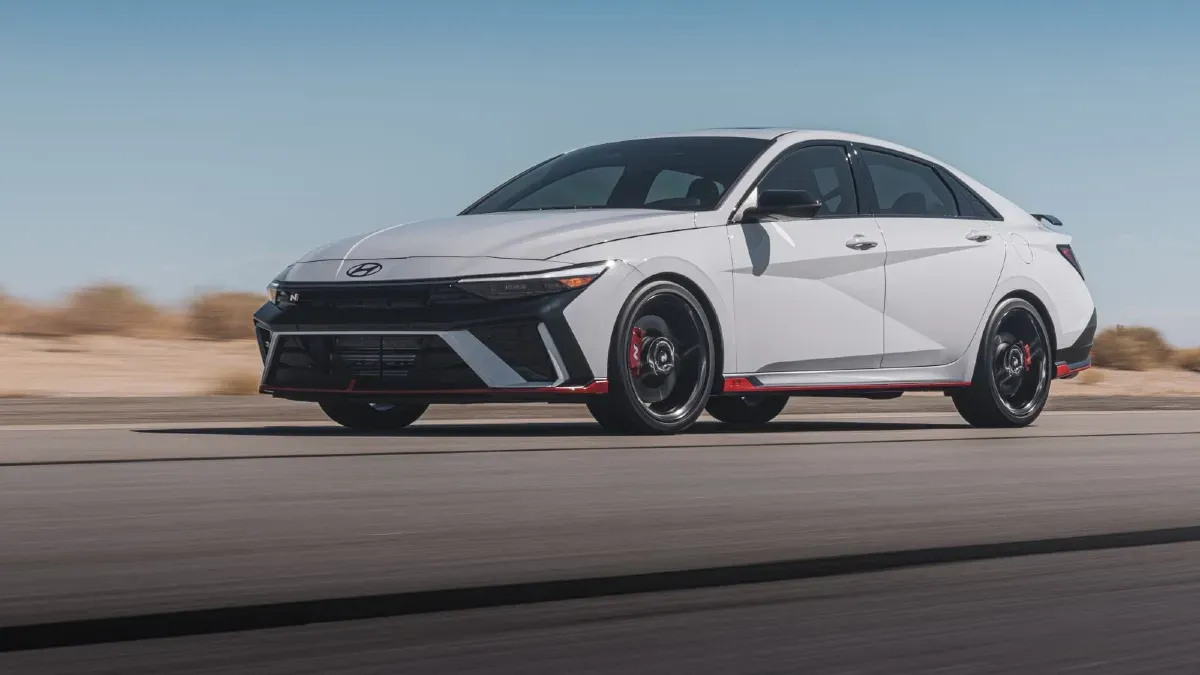
While Toyota and Honda dominate the reliability conversation, Hyundai quietly dominates the Value-to-Earning Ratio.
The Hyundai Elantra and Sonata are the quintessential "Bang for Your Buck" Turo cars. They provide the modern style and technology guests demand—which drives bookings—while maintaining a low enough price point to ensure impressive ROI.
The ROI Advantage: Maximizing the Value Ratio
Hyundai sedans prove that you don't need the cheapest car to get a high ROI; you need the car with the best blend of modern features and low purchase price.
The Hyundai Elantra is a proven money-maker, holding an impressive 118.6% Annualized ROI on Turo. This high return is driven by its average vehicle value of around $16,582, generating average annual earnings of $7,298.
Even the smaller Hyundai Accent boasts an outstanding 192.7% Annualized ROI on a lower estimated value, earning around $8,033 per year. This means you’re earning significantly more than your car costs to own annually.
This high earning-to-value ratio is the cornerstone of its profitability. Furthermore, strategic hybrid models add to this success; the Hyundai Ioniq Hybrid maintains a strong 116.5% ROI with average annual earnings of $9,102. Guests receive a modern, well-equipped car for a good price, leading to strong reviews and consistent bookings.
The "Golden Years" to Buy (2025 Guide)
For the Elantra, the generation you choose determines your insurance rates and guest reviews. Here is the 2025 breakdown:
1. The "Modern Champion" (2021–2024)
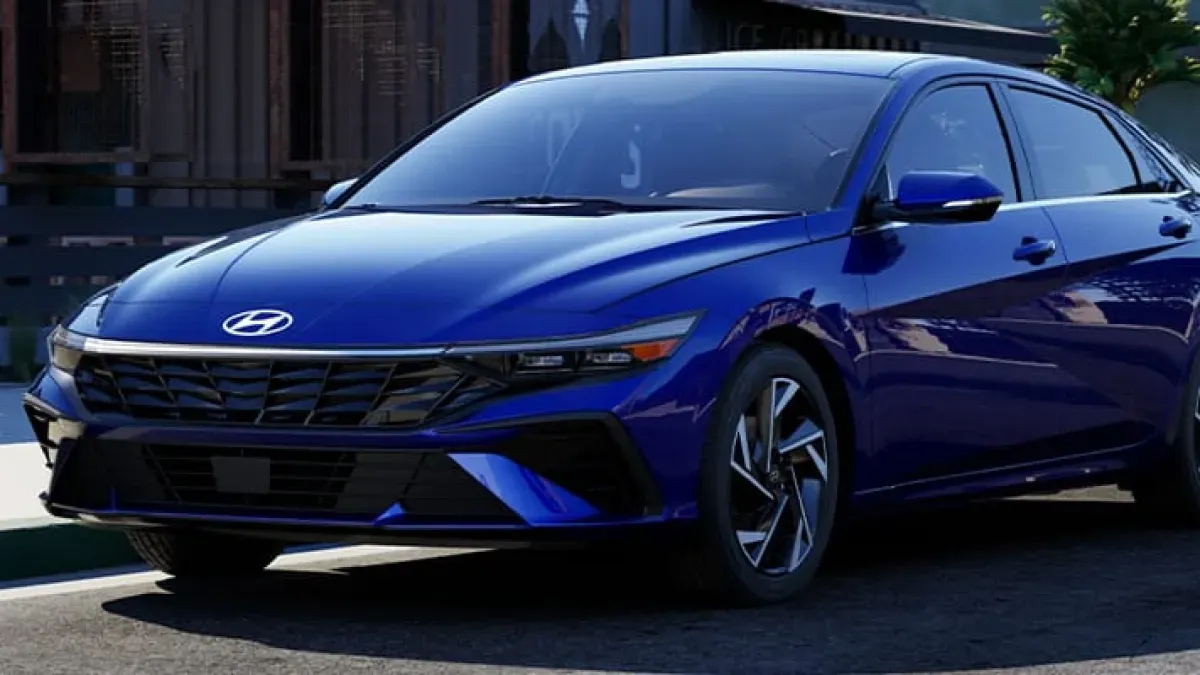
This is the current seventh-generation Elantra (CN7), and it is a Turo powerhouse.
- The Draw: The "Parametric Dynamics" styling makes it look like a luxury sports sedan. In a sea of boring rentals, guests pick the Elantra because it looks "cool" in photos.
- The Tech: Standard Wireless Apple CarPlay and a massive digital dash in higher trims are huge review drivers.
- Safety First: These models all come with engine immobilizers, making them safe from the "Kia Boyz" theft trend that plagued older models.
2. The "Reliable Value" (2018–2020)
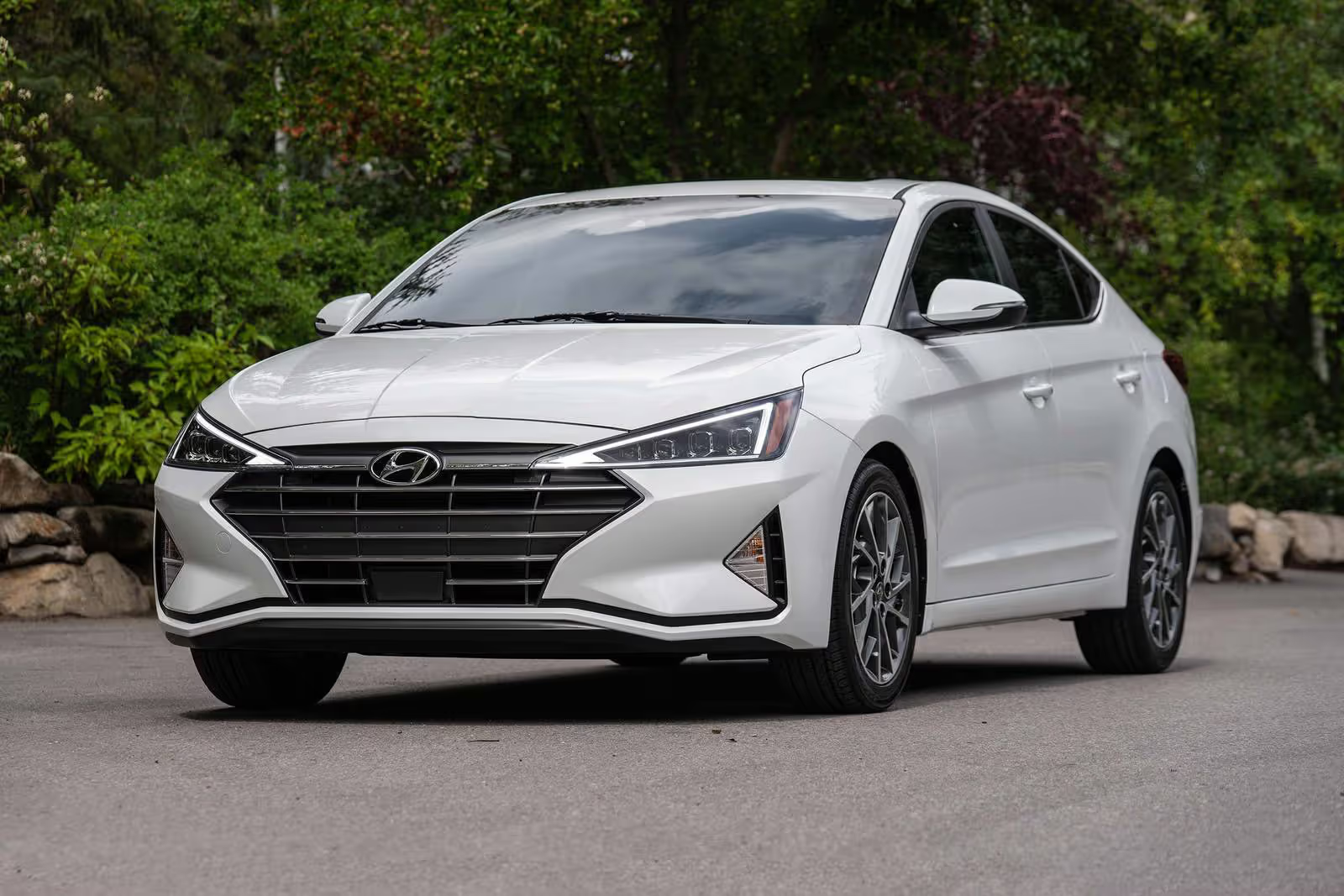
The late sixth-generation models are the best "budget" entry point.
- Why 2018-2020? Hyundai ironed out the major engine issues from the 2017 redesign. The 2018 model specifically scored high in J.D. Power reliability tests.
- The Theft Factor: If you buy these years, ensure it has a Push-Button Start. Models with physical keys are harder (and more expensive) to insure in 2025 due to theft risks.
3. Years to Completely Avoid (2012–2017)
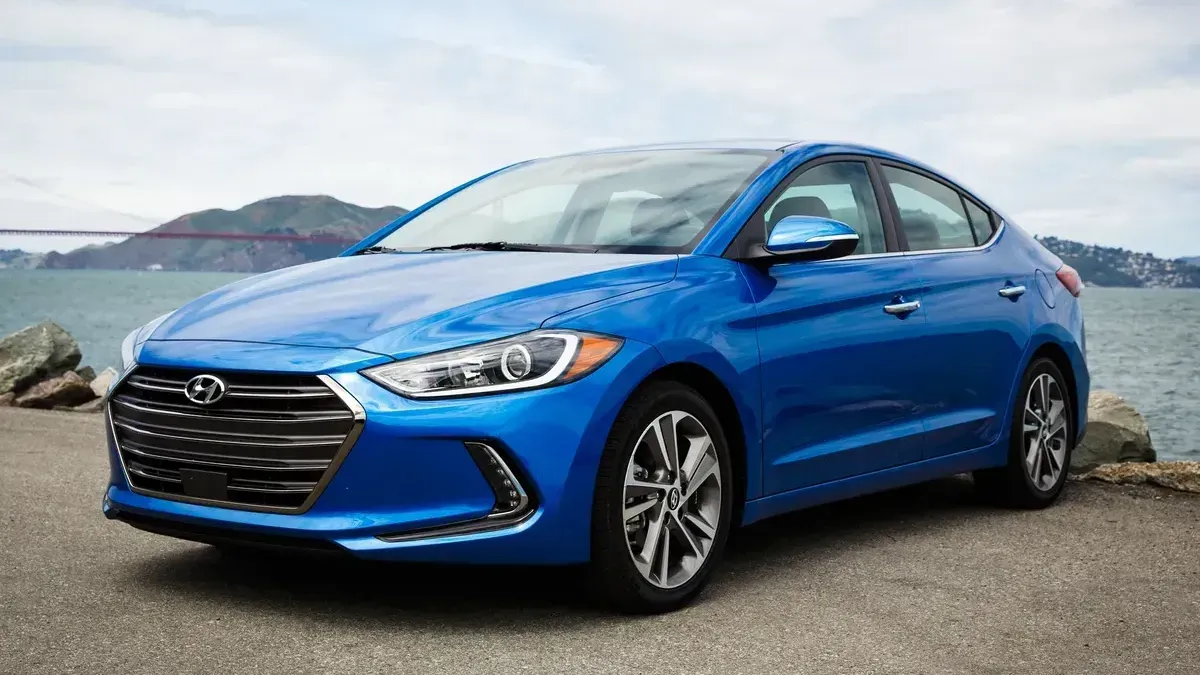
Skip these years entirely.
- 2012–2015: These are notorious for "Engine Ticking" and total engine failure (the Nu engine issues).
- 2017: The first year of the redesign had over 100 reported complaints regarding transmission shifting and ignition coil failures. The "initial savings" are a trap.
The Guest Hook: Style and Seamless Experience
Hyundai sedans successfully bridge the gap between "cheap" and "nice," securing high utilization and excellent reviews.
The modern styling of models like the Sonata and Elantra makes guests feel they are renting a higher-class vehicle. Hosts consistently report that these models get rented out more than other cars because they are clean, gas-efficient, and appeal to cost-conscious but style-aware travelers.
Guests who used a 2025 Sonata Hybrid, for example, have praised the "great gas saving car" and the smooth pick-up/drop-off process. The blend of comfort and fuel efficiency makes them ideal for multi-day road trips across diverse terrain. High utilization is key to Turo success, as the car is only profitable when it's moving.
How to Better Budget for Maintenance
While the bookings are strong, hosts must be realistic about the trade-offs. When a car is rented out constantly, it experiences heavy wear and tear.
The good news is that Hyundai models generally beat the industry average for maintenance costs. Hyundai models average around $7,024 for maintenance and repair costs during their first 10 years of service, which is better than the industry average by $1,232.
The Elantra specifically has an expected cost of $1,996 for maintenance and repairs in its first five years, which is less than the sedan industry average by $538.
Despite the low cost, pre-emptive maintenance is non-negotiable due to high utilization. Sticking to a rigorous schedule for tire rotations, oil changes every 7,500 miles, and brake checks minimizes unexpected breakdowns, which destroy five-star reviews and halt earnings.
Hosts should be aware that the probability of a major repair for an Elantra is slightly worse than similar vehicles (18.31% over 10 years).
Why Hyundai is the Best "Bang For Your Buck"
The Elantra and Sonata are the choice for a host who is ready to run a volume business. They are inexpensive enough to be attainable for a new host but nice enough to compete with higher-end rentals, leading to reliable bookings.
The strategy is clear: acquire a new or recent-model Hyundai sedan to capitalize on its style and tech. Price it competitively to ensure constant utilization (aiming for 25+ days/month), and use the strong gross revenue to fund a serious maintenance and repair reserve.
Frequently Asked Questions (FAQ)
Q1: Does Hyundai's generous warranty help Turo hosts?
A: Yes, Hyundai vehicles feature "comprehensive warranty coverage". While running a car on Turo can affect warranty validity depending on the insurer and use, the general reputation for strong coverage gives hosts confidence.
Q2: Is the Sonata Hybrid a good Turo investment?
A: Yes, hybrid models attract guests concerned with gas costs, making the Sonata Hybrid a great strategic choice. However, one host reported their 2023 Sonata Hybrid was hit and sustained $14k in damage early on, highlighting the general risk of high-value rentals.
Q3: What is the biggest risk with these high-utilization cars?
A: The biggest risk is accumulating high mileage quickly, which destroys the car's resale value. The mechanical time you're contributing to Turo could be earning you $50+ per hour, so hosts without mechanical skills will pay retail for labor, cutting deeply into profits.
Q4: How much does a Hyundai Elantra cost to insure annually?
A: The average cost to insure a Hyundai Elantra is about $2,477 per year, or $12,385 after five years. This expense can often be lowered by shopping around for lower insurance premiums.