If you’re ready to start or scale your Turo business, forget about buying the car you want to drive. Your one and only priority is Annualized Return on Investment (ROI).
The difference between a high-earning car and a high-profit car often comes down to one thing: the purchase price. A luxury SUV might bring in big rental checks, but its huge loan payment can tank your ROI.
This list isn't about the cars that earn the most revenue; it's about the cars that give the highest return percentage relative to your initial investment and annual costs. We’ll break down the definitive top 10 most profitable Turo vehicles across three critical categories: Economy, Standard, and Luxury.
What is Turo ROI? (And Why It’s Your Only Metric)
The single most important concept for your Turo business is ROI. It’s the metric that tells you if you’re running a lucrative business or just running an expensive hobby.
Your formula should be simple:
Annualized ROI = Avg. Annual Earnings - Annual Expenses \ Initial Investment
The Annualized ROI percentage tells you how fast your investment is paying off. The highest ROI cars are often cheaper to buy, meaning your loan cost is lower, making the return percentage jump dramatically.
This is why Economy cars often sit at the top of the list.
Top 10 Profitable Turo Cars Ranked by Annualized ROI
This list represents the top earners across different segments based on average performance in major U.S. markets.
1. Chrysler Voyager (2020–2022)
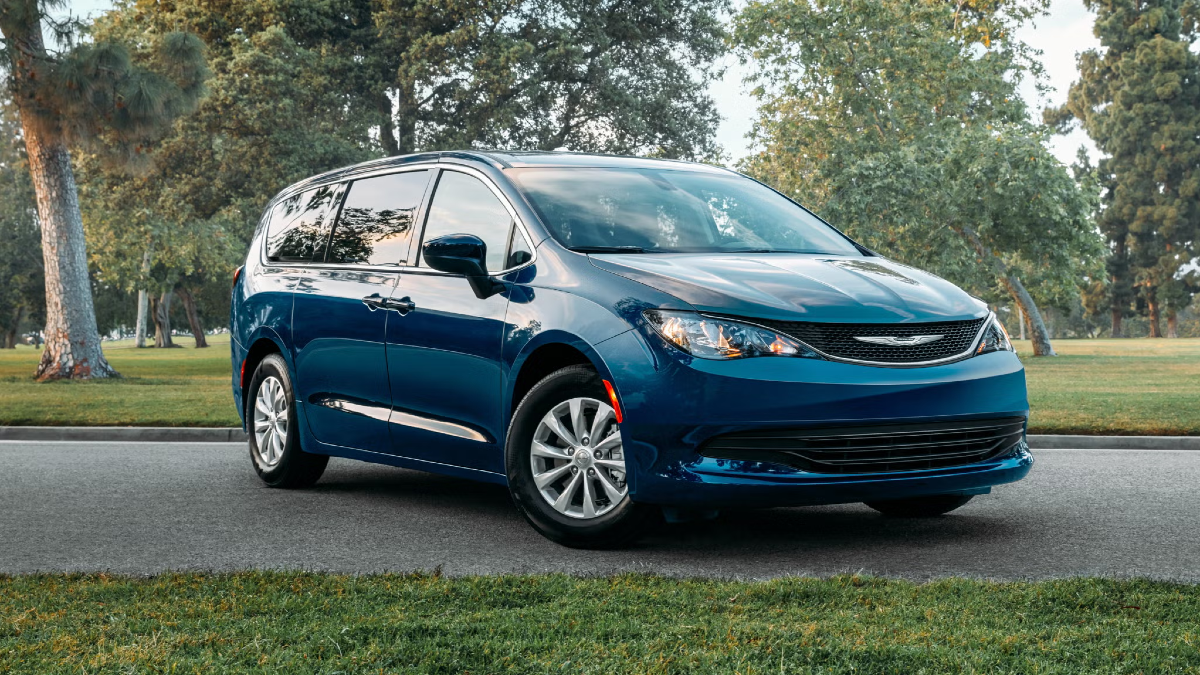
(Economy/Minivan)
- Est. Annual Earnings: ~$13,146
- Est. Annual Loan Cost: ~$4,170
- Annualized ROI: 215.2% The Voyager is the king of Turo ROI. Because it is often sold as a fleet vehicle, acquisition costs are low, but the demand for a 7-passenger van—especially for families traveling—is consistently high.
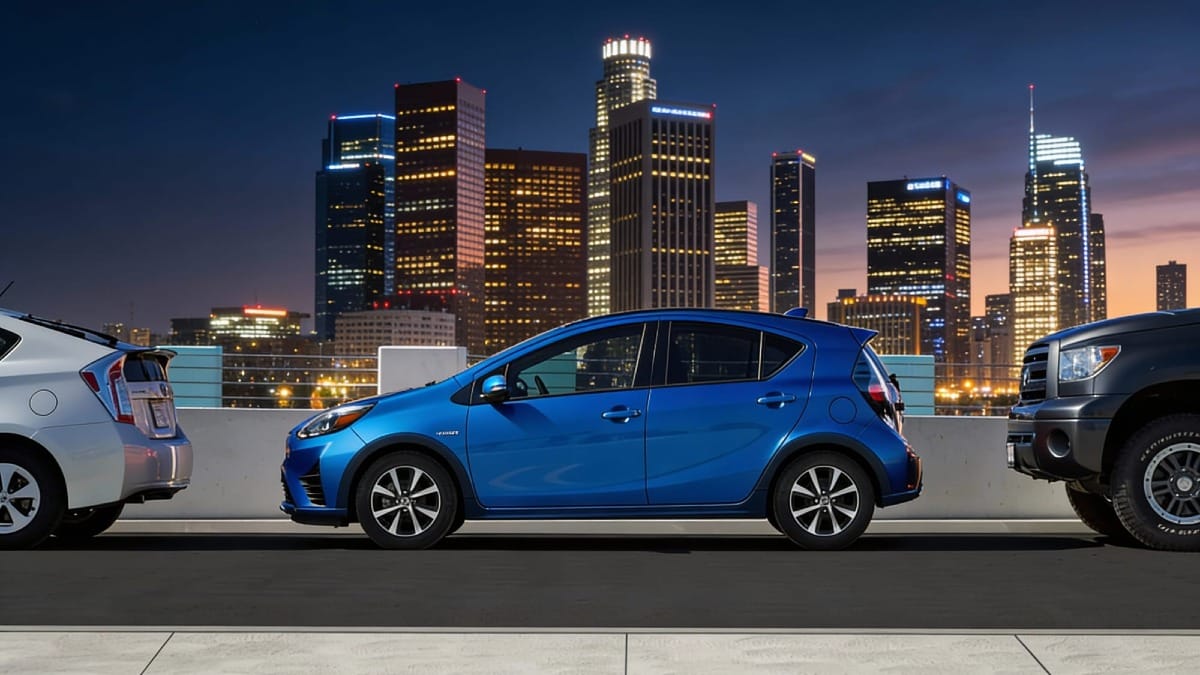
2. Toyota Prius c (2018–2019)
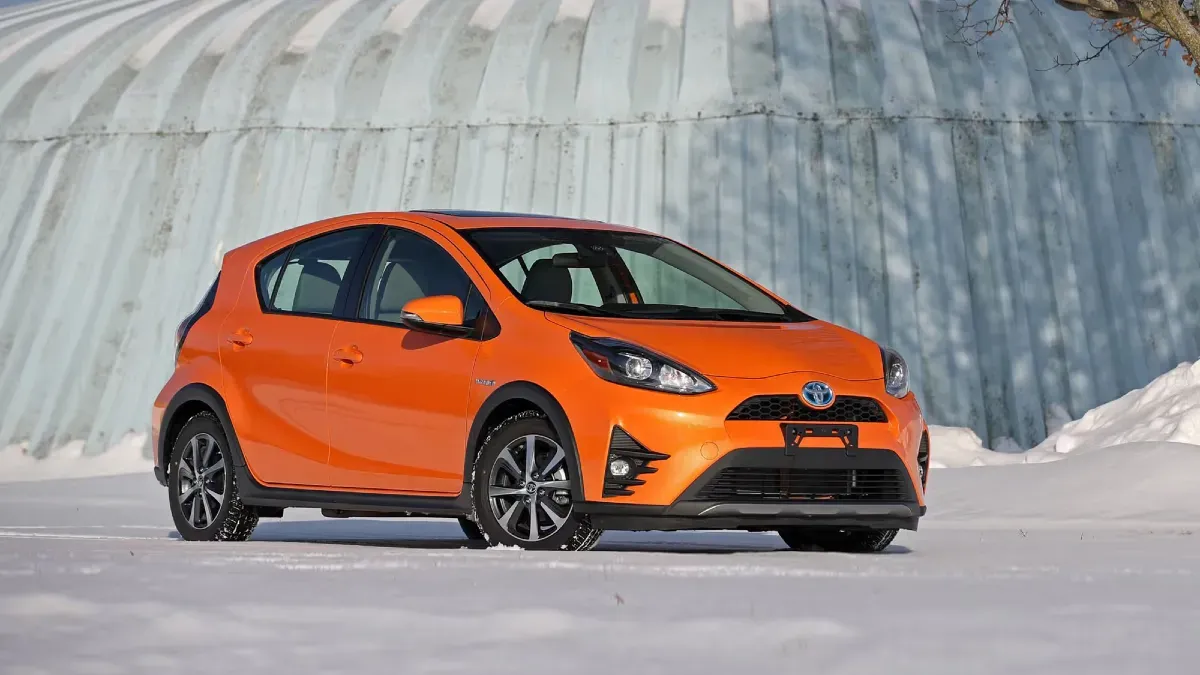
(Economy/Hybrid)
- Est. Annual Earnings: ~$12,317
- Est. Annual Loan Cost: ~$4,183
- Annualized ROI: 194.4% The "city" version of the Prius is a favorite for urban travelers. Its legendary fuel economy makes it an easy choice for renters, while its reliability keeps maintenance costs from eating your margins.
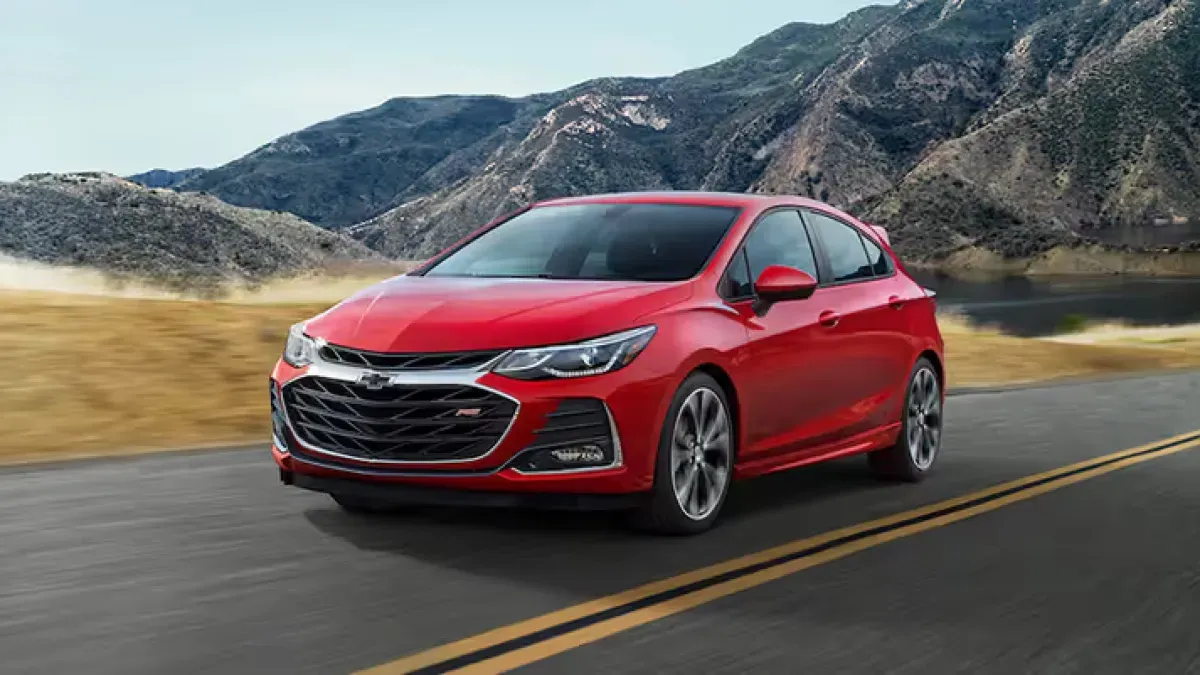
3. Chevrolet Cruze (2018–2019)
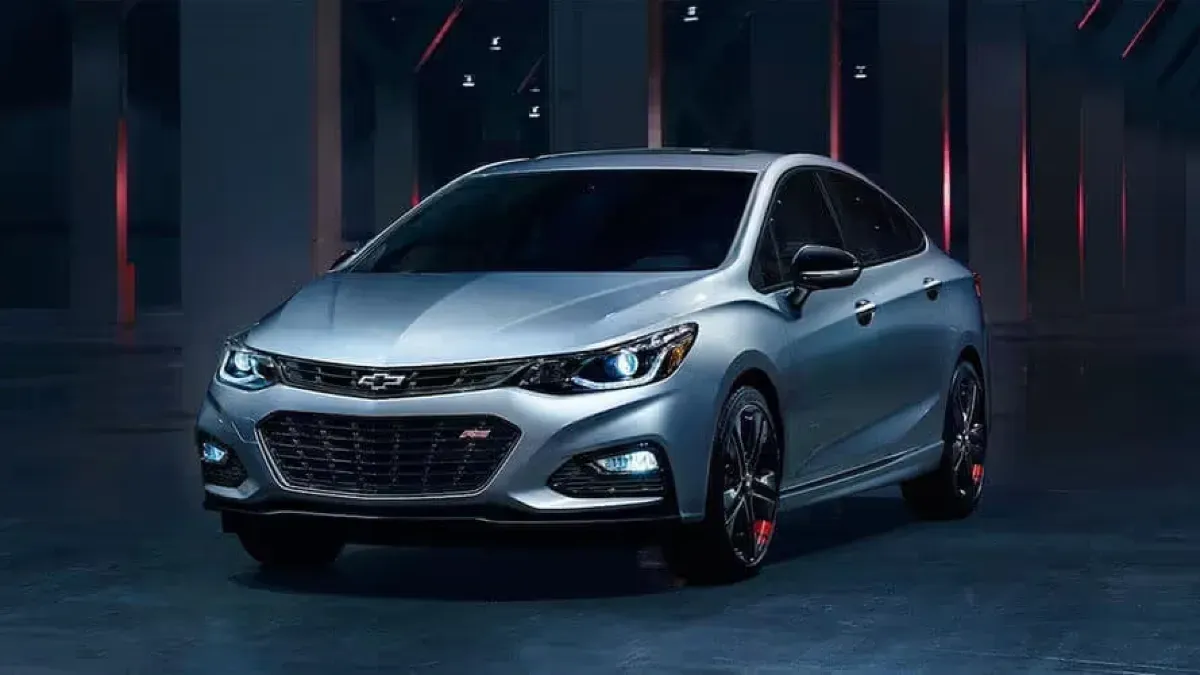
(Economy/Compact)
- Est. Annual Earnings: ~$7,300
- Est. Annual Loan Cost: ~$2,468
- Annualized ROI: 195.8% The Cruze is a "set it and forget it" Turo car. It’s inexpensive to buy and repair, making it one of the safest bets for a new host looking to scale a fleet quickly.
4. Dodge Grand Caravan (2018–2020)
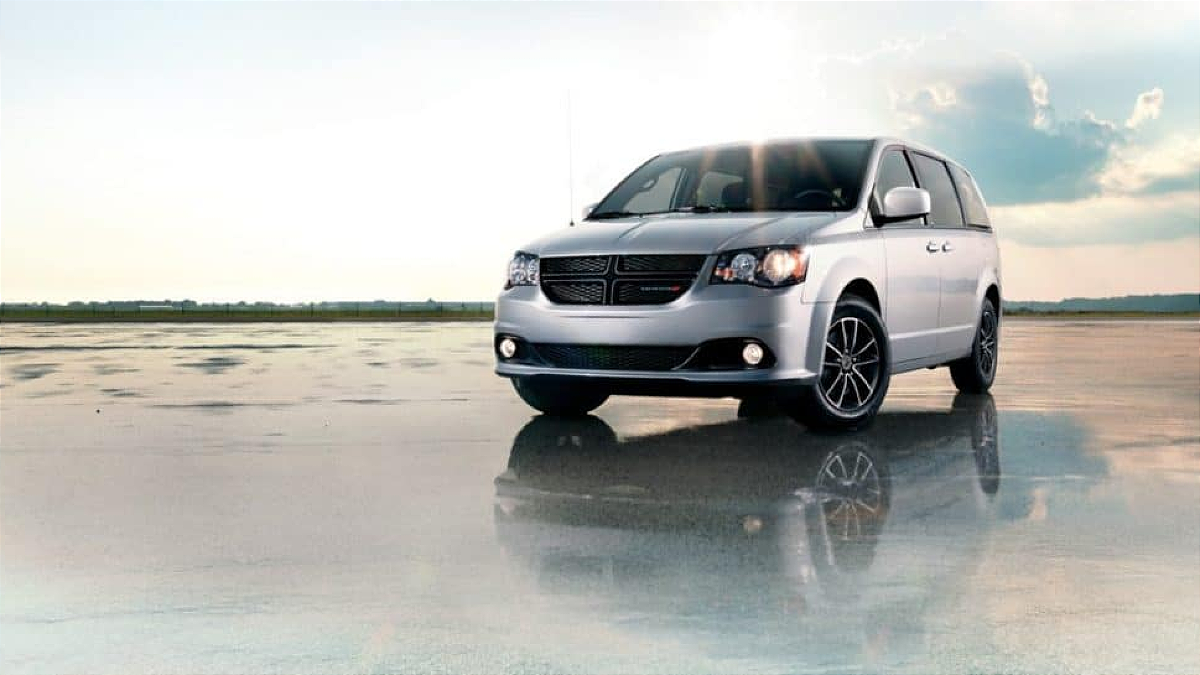
(Economy/Minivan)
- Est. Annual Earnings: ~$10,138
- Est. Annual Loan Cost: ~$3,596
- Annualized ROI: 181.9% Like the Voyager, the Grand Caravan is a utility workhorse. It may not be flashy, but it is rarely unbooked during holiday seasons and summer vacations.
5. Ford Fiesta (2018–2019)
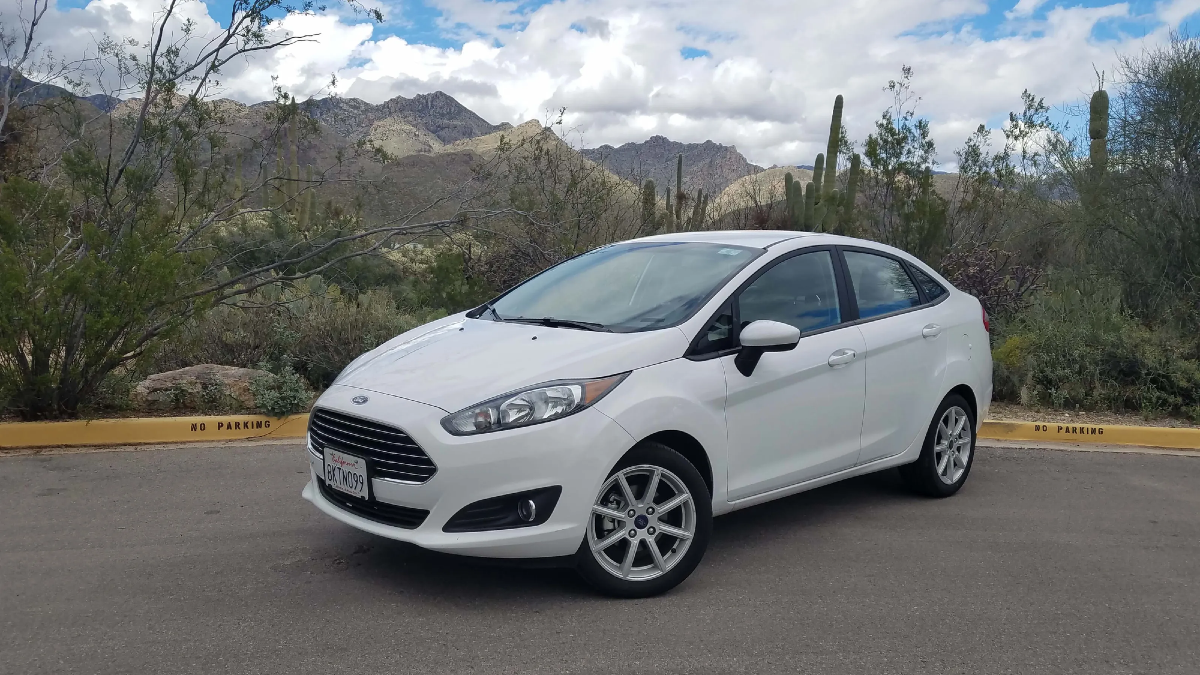
(Economy/Compact)
- Est. Annual Earnings: ~$7,208
- Est. Annual Loan Cost: ~$2,937
- Annualized ROI: 177.8% As one of the cheapest reliable cars on the secondary market, the Fiesta allows hosts to break even on their investment faster than almost any other model.
6. Kia Rio (2018–2022)
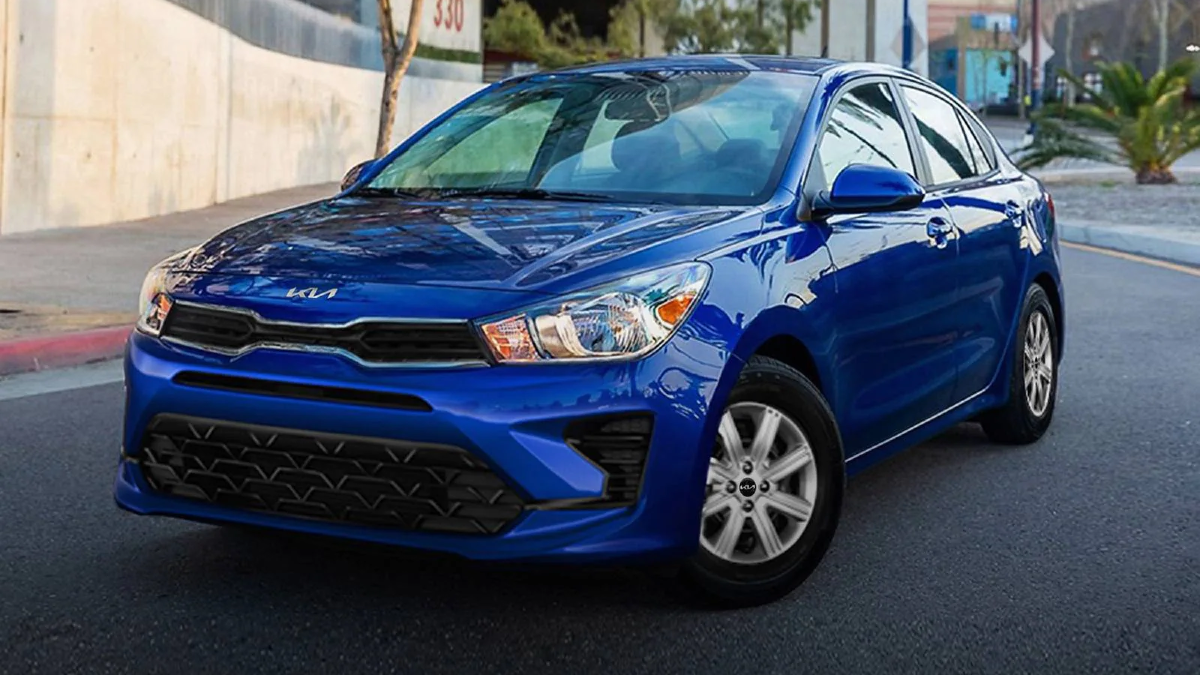
(Economy/Compact)
- Est. Annual Earnings: ~$7,839
- Est. Annual Loan Cost: ~$3,000
- Annualized ROI: 161.3% The Rio offers a modern interior and great fuel economy at a very low price point. It attracts budget-conscious travelers who still want a car that feels relatively new.
7. Ford Ranger (2019–2022)
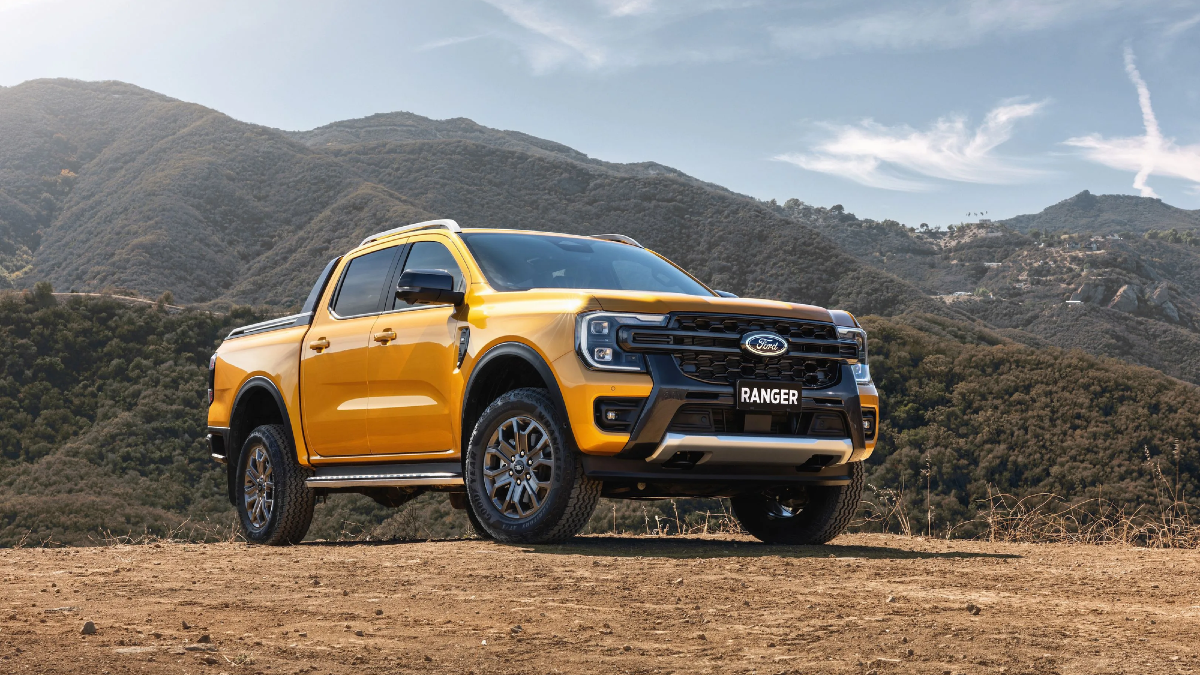
(Mid-Range/Truck)
- Est. Annual Earnings: ~$10,394
- Est. Annual Loan Cost: ~$4,502
- Annualized ROI: 130.9% Trucks are a high-demand niche on Turo. The Ranger is perfect for renters who need utility without the massive size (and fuel cost) of an F-150.
8. Audi S5 Cabriolet (2018–2021)
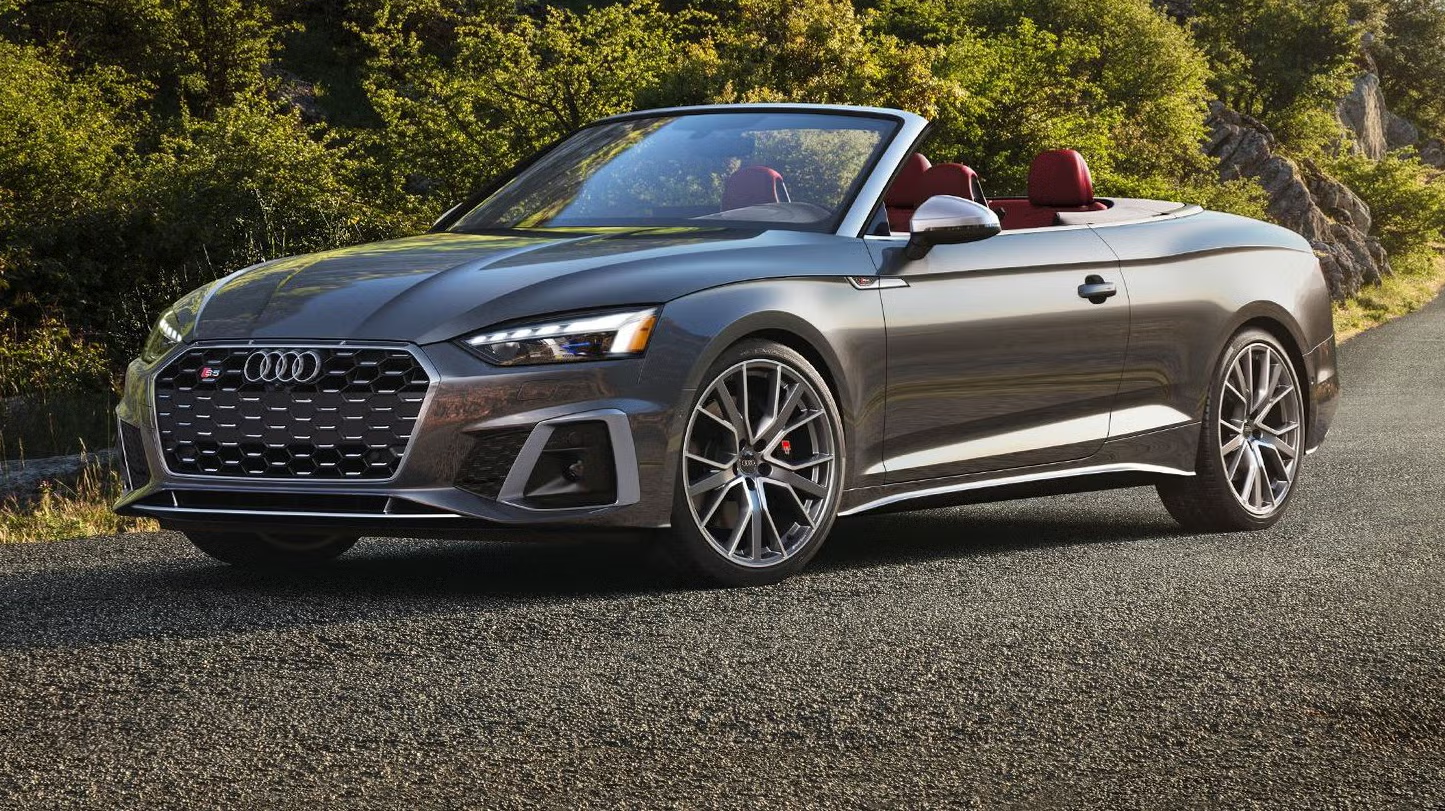
(Mid-Range/Sport)
- Est. Annual Earnings: ~$17,764
- Est. Annual Loan Cost: ~$9,154
- Annualized ROI: 94.1% While the loan costs are higher, the daily rate for an S5 Cabriolet is significant. In "sunshine" markets like LA, Miami, or Phoenix, this car can generate massive revenue.
9. Jeep Wrangler 4-Door (2018–2021)
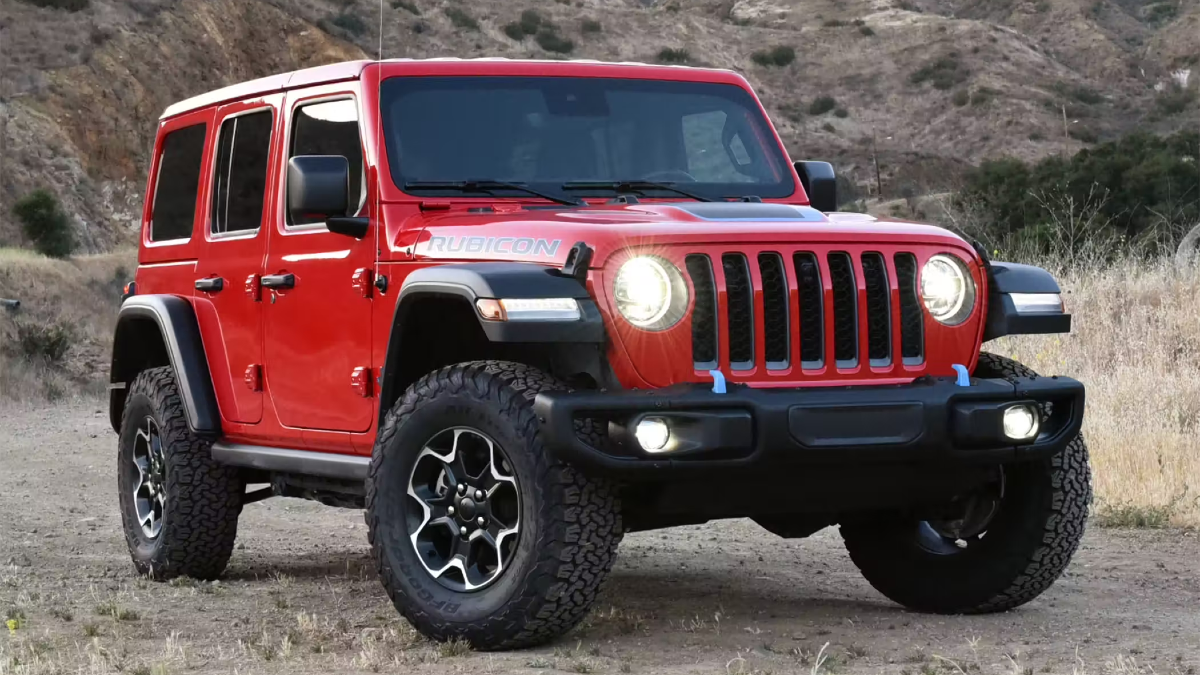
(Mid-Range/SUV)
- Est. Annual Earnings: ~$12,000
- Est. Annual Loan Cost: ~$7,000
- Annualized ROI: 71.4% The Wrangler has a cult following. Renters will pay a premium for the "Jeep experience," and these vehicles hold their resale value better than almost any other car on this list.
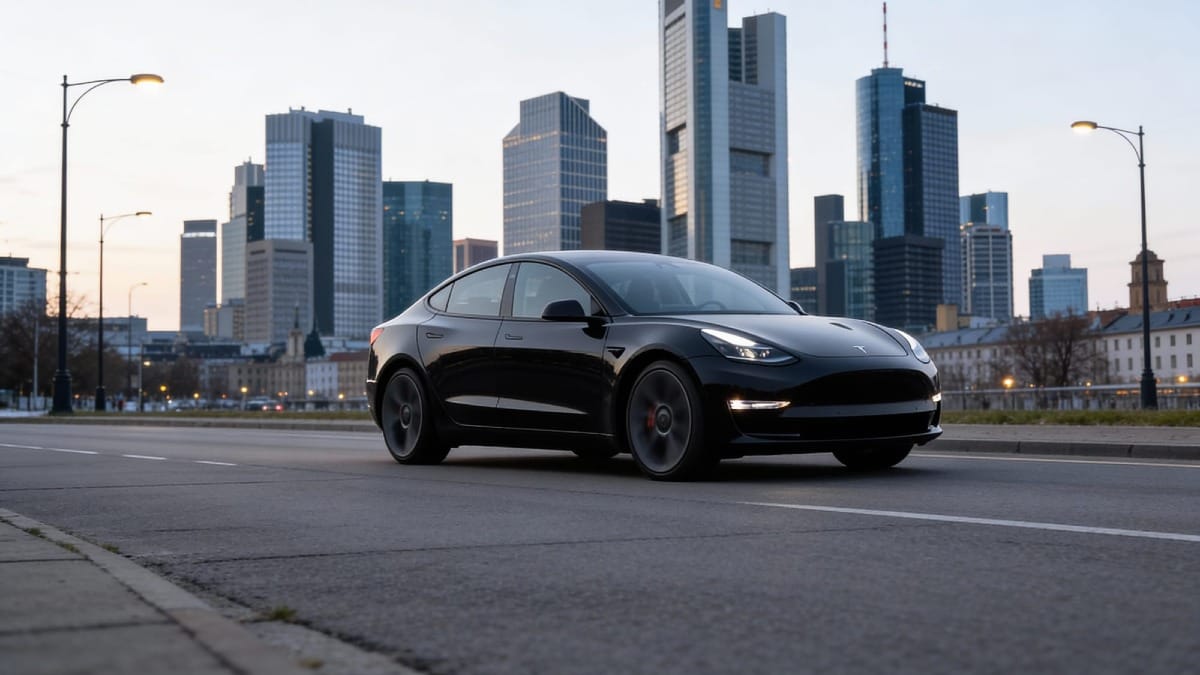
10. Tesla Model Y (2020–2022)
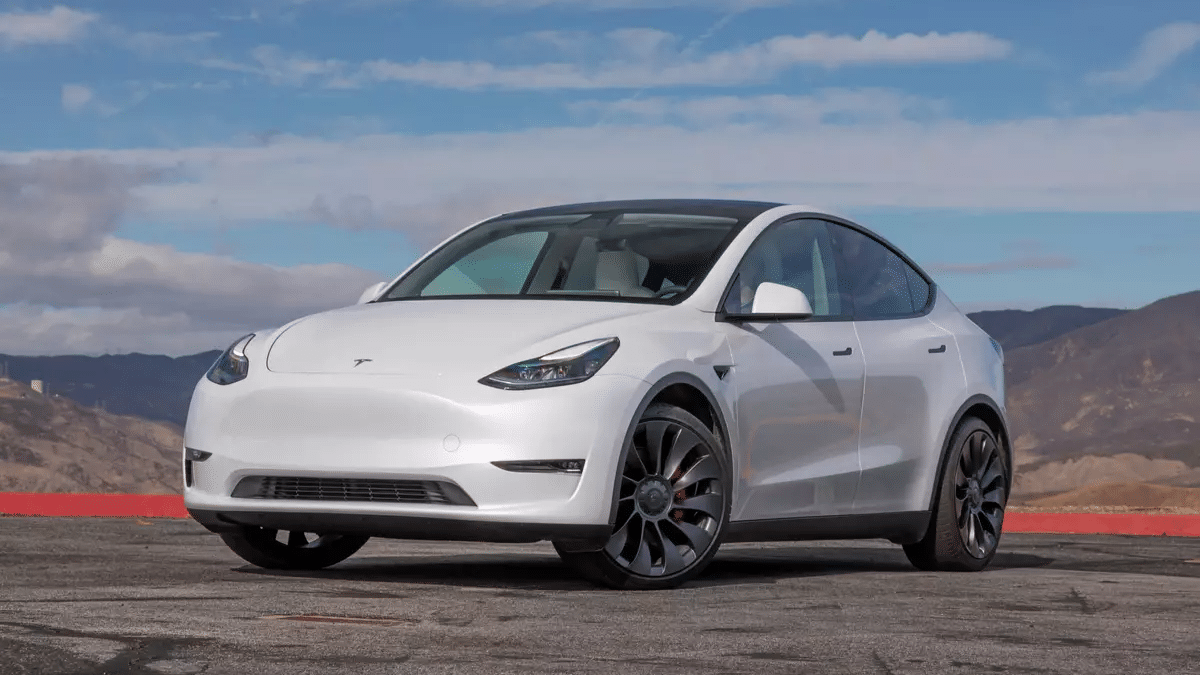
(Standard/EV)
- Est. Annual Earnings: ~$14,500
- Est. Annual Loan Cost: ~$8,500
- Annualized ROI: 70.5% The Model Y remains the most popular EV on the platform. With the recent price cuts and federal tax credits, the acquisition cost has dropped enough to make the ROI very attractive for hosts in tech-heavy hubs.
Key Takeaway for New Hosts
If you look at the top five, you'll notice a trend: unsexy cars make the most money. High ROI is driven by low monthly payments and high utilization. While it's tempting to buy a luxury car, a used Chrysler Voyager or Toyota Prius c will almost always put more profit in your pocket at the end of the year.
Note: The ROI calculation assumes a standard 60-month loan, 8.5% interest rate, and 10% down payment on the estimated value of the vehicle.
Choosing the right car for your Turo fleet means matching your budget with your willingness to manage risk. Here is how the top performers break down by vehicle class.
The Economy Class: High ROI (Under $25,000)
This category is the powerhouse of profitable fleets. Because these cars are inexpensive to buy, your annual loan payments stay low, which makes your Return on Investment (ROI) percentage skyrocket.
- Minivans (Chrysler Voyager / Dodge Grand Caravan): These are the true "ROI Kings." They aren't flashy, but they serve a massive need for families and groups traveling with heavy gear. By picking up a reliable used model, you keep your monthly costs tiny while capturing high-utilization rates during vacation seasons.
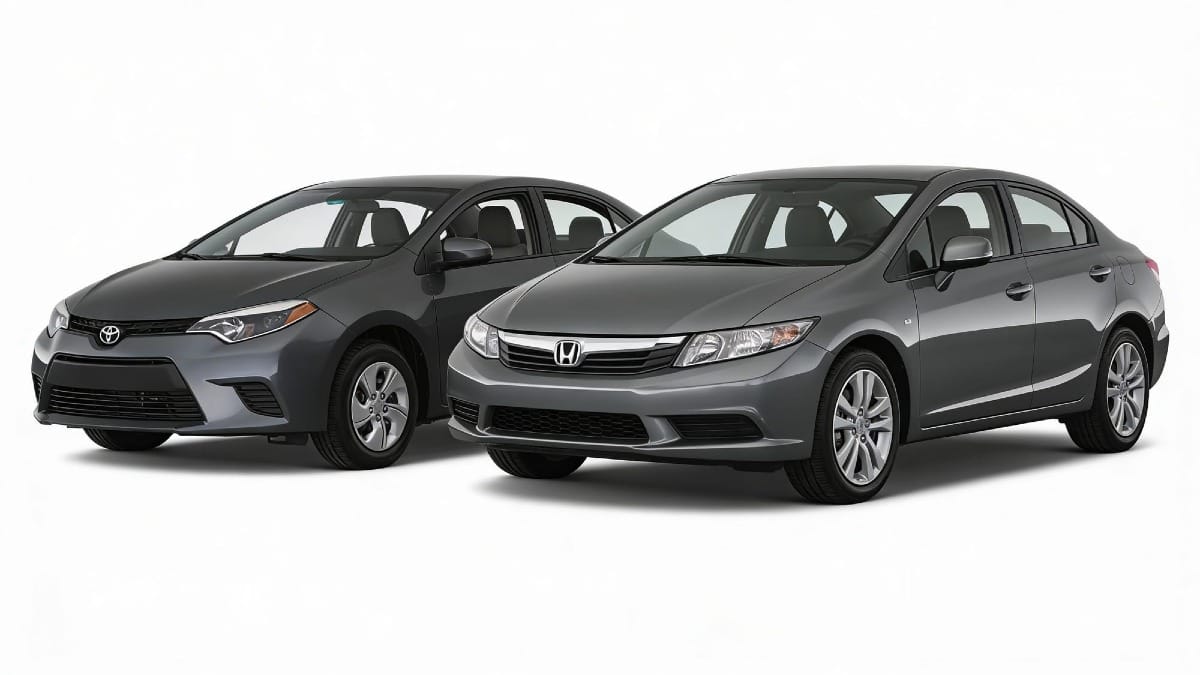
- Fuel Savers (Toyota Prius c / Kia Rio / Ford Fiesta): These compact cars are perfect for budget-conscious urban travelers. Their primary appeal is fuel economy and reliability. Low maintenance costs and constant demand for "no-fuss" transportation make these excellent starter cars for new hosts.
The Standard Class: Balanced Demand ($25,000–$50,000)
The Standard class offers a sweet spot between higher daily rental rates and consistent booking volume. Gross earnings are usually higher here, even if the ROI percentage is lower than in the economy class.
- Jeep Wrangler Unlimited: This is an "experiential" rental. Guests aren't just renting a way to get around; they’re renting the Jeep lifestyle. This justifies premium pricing in destination markets like Denver or Miami.
- Ford Ranger: Mid-size trucks fill a utility gap that many hosts ignore. They are in high demand for renters who need to move gear or simply want the truck experience without the fuel bill of a heavy-duty F-150.
- Tesla Model Y: High modern appeal and low "fuel" costs keep these cars booked constantly. If you can secure a competitive purchase price, the Model Y is a high-earning staple for tech-forward metro areas.
The Luxury Class: High Revenue, High Risk ($50,000+)
This niche is for experienced hosts focused on maximizing total cash flow. While the ROI percentage is lower due to the high purchase price, the individual rental checks are much larger.
- Audi S5 Cabriolet: This model is a high-performance seasonal favorite. As a convertible, it commands a massive premium in "sunshine" markets, which helps offset its luxury price tag.
- Specialty Models (Porsche Panamera / Chevrolet Corvette): These vehicles attract high daily rates but require strict maintenance and higher insurance tiers.
Key Strategies for Maximum ROI
No matter which car you choose, your long-term success depends on operational excellence. To squeeze the maximum profit out of every mile, you need to master these three core pillars of the Turo business.
1. Embrace the Power of Used Cars
The most successful hosts follow a simple mantra: The only way to make real money is with older, paid-off cars. When you drive a brand-new car off the lot, it immediately loses 20% to 30% of its value. On Turo, that depreciation is a silent profit killer. By purchasing a reliable 3-to-5-year-old vehicle, you let the previous owner take the biggest financial hit.
An older car that is already paid off or has a very low monthly payment allows you to reach your "break-even" point much faster. It also lowers the stakes for minor wear and tear, ensuring that a small door ding doesn't feel like a catastrophe for your resale value.
2. Location, Location, Location
Your car’s profitability is not universal; it is tied directly to your local geography. A car that is a superstar in one city might sit idle in another.
- Urban Hubs (e.g., San Francisco): In densely populated cities with high gas prices and limited parking, the Toyota Prius is king. Renters here prioritize efficiency and ease of parking over style.
- Destination Markets (e.g., Denver): In cities near mountains or national parks, the Jeep Wrangler is gold. Renters aren't just looking for transport; they want a vehicle that matches the adventure they have planned.
Before you buy, research your specific "Geo Tier." Match your vehicle choice to the local lifestyle and terrain to ensure your calendar stays full year-round.
3. Optimize for Maximum Conversions
You can justify a higher daily rate than your competitors if your listing is superior. In a digital marketplace, your listing is your storefront.
- Visual Appeal: Professional, high-resolution photos are a non-negotiable requirement. Showcase the car in a clean, well-lit environment and include shots of the interior, trunk space, and any tech features like Apple CarPlay.
- The "Irresistible" Description: Don't just list the specs. Describe the experience. Mention how easy the pick-up process is, the cleanliness of the vehicle, and your commitment to five-star service.
- Responsive Hosting: Turo’s algorithm favors hosts who respond quickly and have high acceptance rates. Speed and transparency turn "window shoppers" into confirmed bookings.
Ready to find the perfect car for your market? Use this list as your blueprint.