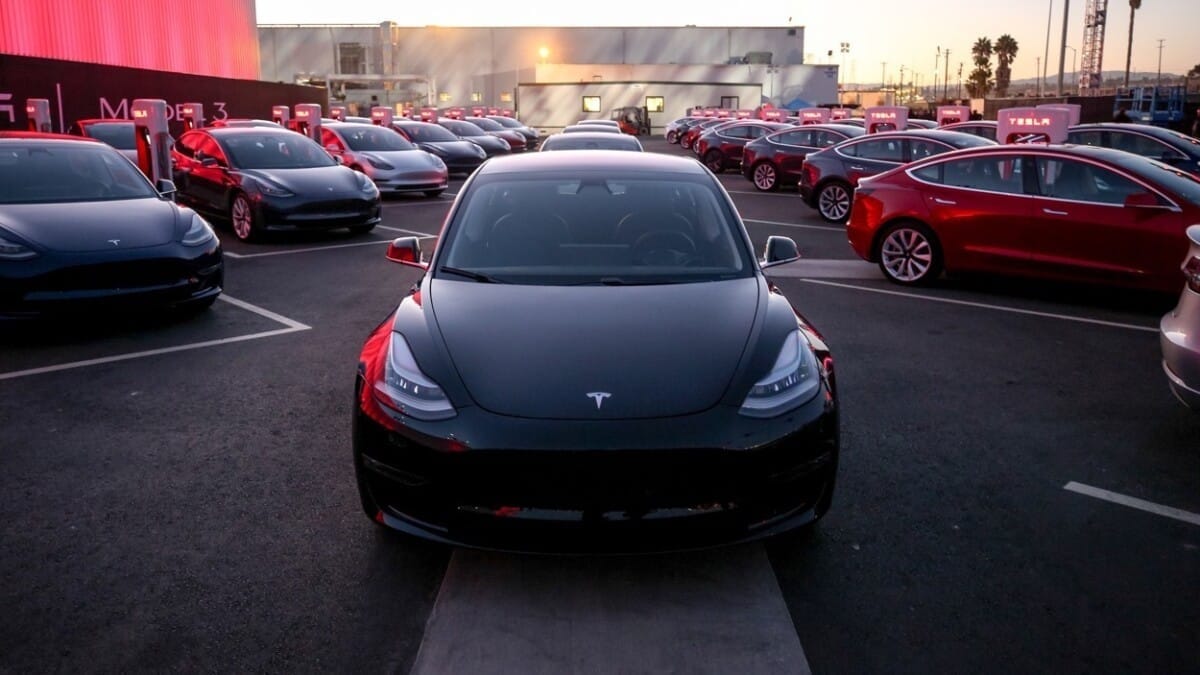
This is the biggest question facing any host who is ready to buy a modern car: Should I buy a high-tech electric vehicle (EV) like the Tesla Model 3, or stick to the tried-and-true gas models (like a Honda Civic or Toyota Camry) that have proven reliability?
The choice is a classic Turo dilemma: High earnings vs. low operational pain.
The Tesla Model 3 brings high demand and zero gas costs. The trade-off is high purchase price, rapid initial depreciation, and unique operational headaches related to charging. Gas cars offer the highest percentage Annualized ROI but require hosts to deal with fluctuating fuel costs.
This guide gives you the definitive head-to-head comparison so you can decide which car will be the true money-maker in your market.
ROI vs. Gross Revenue
The difference between these two assets is stark: the Model 3 earns more per day; the Gas Car earns more per dollar invested.
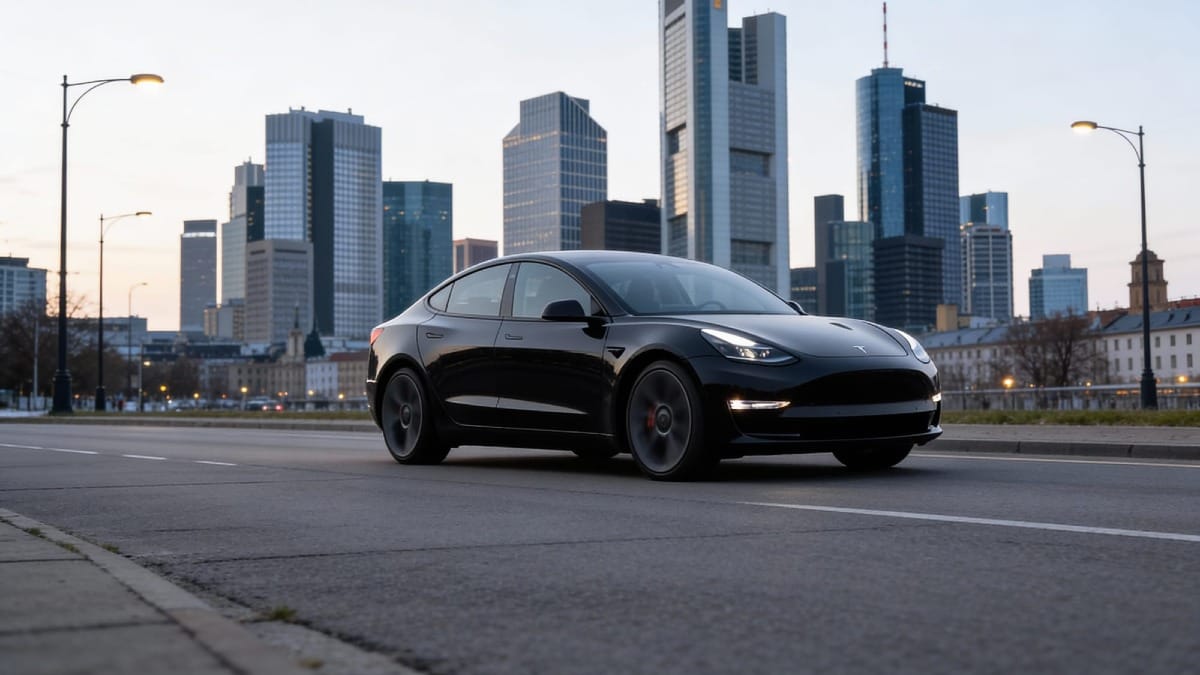
The Electric Advantage (Tesla Model 3)
The Model 3 is a revenue machine, but its high price is a massive headwind.
- Gross Daily Earnings: The Tesla typically commands a higher daily rate (say, $65–$100) than a standard gas car (like a Civic, at $35–$55) because guests want the experience and the technology.
- Zero Fuel Cost: You save money, and the guest saves money. The Tesla removes the need for fuel management and the hassle of checking gas levels at handover.
- High Visibility: In many markets, Turo's algorithm boosts Teslas and other EVs because the platform wants to show off its futuristic fleet.
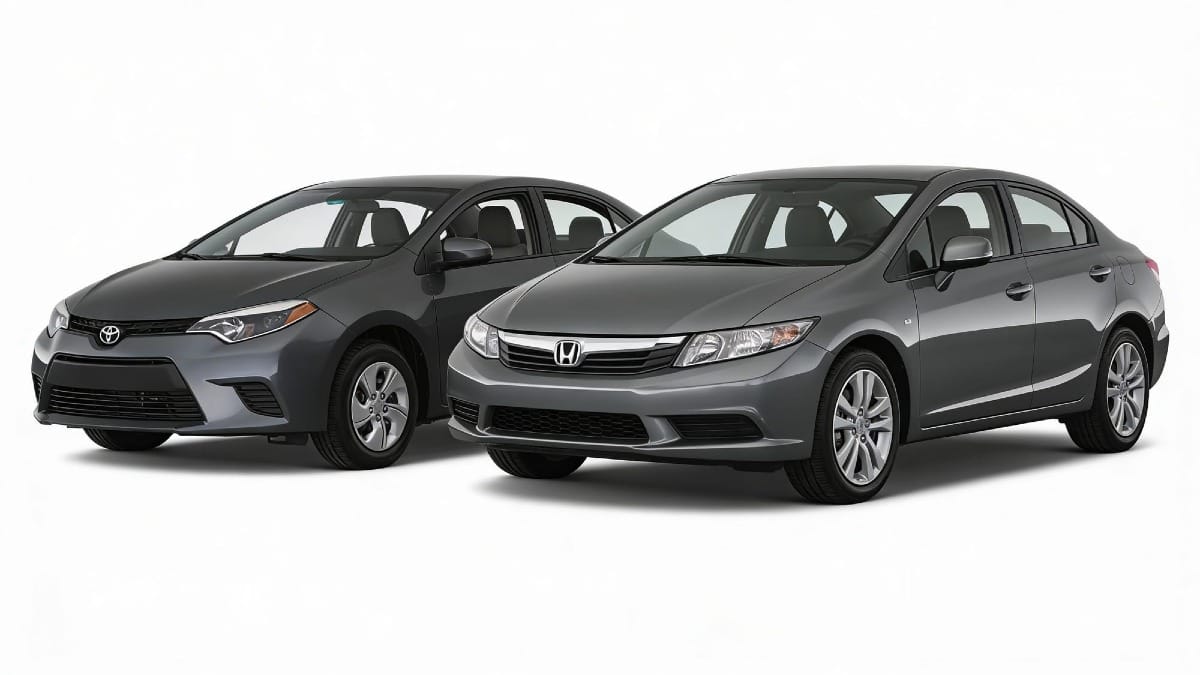
The Gas Advantage (Honda Civic/Toyota Camry)
These cars are the undisputed kings of high-percentage ROI.
- Highest Annualized ROI: Economy cars like the Civic or Kia Rio often rank highest for percentage ROI. Since you pay far less to acquire them (especially used models), your annual loan payment is low, making your return percentage jump dramatically.
- Low Depreciation Risk: Used gas cars have a predictable depreciation curve. The lowest-cost models have often hit their depreciation floor, meaning their value drops much slower than a new, high-cost EV.
- Less Saturation: Outside of dense urban markets, competition for reliable, affordable gas cars is generally lower than for Teslas, which have flooded many major markets.
Fueling vs. Charging
This is where the Tesla introduces unique complexities that hosts must budget time for.
| Operational Factor | Tesla Model 3 (EV) | Honda Civic (Gas) | Host Burden |
| Refueling/Charging | High Burden. Must charge the car between every trip (30-60 minutes). Risk of renter returning the car near zero charge. | Low Burden. Quick stop at the gas station or guest refuels. | Charging is a mandatory, time-consuming Operational step for every trip. |
| Maintenance | Low Burden. Fewer moving parts, no oil changes. Brakes last longer due to regenerative braking. | Medium Burden. Requires regular oil changes, fluid checks, and engine-related service. | Gas cars require scheduled upkeep; Teslas require less frequency but specialized care. |
| Repair Costs | Very High. High repair costs for bodywork, sensors, and unique Tesla parts. Battery replacement is a massive future liability ($\sim$$15k–$20k). | Low. Simple, common parts. Any local mechanic can perform repairs. | A single accident or major battery failure can erase years of Tesla profit. |
| Guest Education | High. Requires a walk-through on charging, regenerative braking, and screen controls. | Zero. Guest knows how to operate the car. | Tesla requires more dedicated Operational time at every handover. |
The Host Takeaway: A gas car requires more scheduled maintenance time; a Tesla requires more turnover time and carries a massive, unpredictable repair cost risk.
Is Your City EV-Ready?
The Tesla Model 3 is not a profitable option in every location. Success depends entirely on the EV infrastructure of your Market.
Where the Tesla Thrives (High Demand / High Charging)
- Major Urban Centers (LA, SF, NYC): Dense charging networks and high demand for aspirational vehicles.
- Tech Hubs: Guests are familiar with the tech and less likely to struggle with charging logistics.
Where the Gas Car Wins (Low Infrastructure / Long Trips)
- Rural Markets & Tourist Roads (National Parks): Guests need predictable range and quick refueling. Range anxiety is a major factor that prevents bookings.
- Markets with Cheap Gas: If gas is relatively cheap, the EV's primary cost advantage shrinks, making the gas car's lower acquisition cost the dominant factor.
Depreciation and Investment Risk
The biggest risk in the EV market is the rapid advancement of technology, which affects depreciation.
- EV Depreciation Risk: EVs face a rapid depreciation cliff, especially when new technology (longer range, faster charging) is released. A Tesla purchased today may depreciate faster than predicted as new models come out, quickly undermining your ROI. Hosts often report that the depreciation on a new Model 3 is so severe that it "washes out" the gross income.
- The Used EV Opportunity: The smart money is shifting toward used EVs (like older Model 3s) that have already taken the steepest depreciation hit. If you can acquire one at a competitive price, its low running costs may finally make the investment worthwhile.
- The Gas Car Advantage: Used economy cars have predictable value floors. A five-year-old Civic will hold its value reliably, which protects your exit strategy and reduces your financial exposure.
Turo ROI Requires a Hybrid Approach
The question shouldn't be "Gas or Electric," but "What balance is right for my fleet?"
| Investment Goal | Winner | Rationale |
| Highest Percentage ROI | Gas Cars (Civic/Rio) | Low purchase price keeps the ROI percentage high. Low risk. |
| Highest Gross Income | Tesla Model 3 | Commands a high daily rate and has zero fuel cost (high revenue). |
| Lowest Operational Pain | Gas Cars | Simple refueling, zero guest education, and universal repair shops. |
Final Verdict: The Tesla Model 3 is an ideal vehicle for experienced hosts in EV-dense markets who are prepared for the Operational hassle of charging and the financial risk of high repair costs. For the host prioritizing safety, simplicity, and maximum ROI percentage, the traditional gas car remains the superior investment.