
In 2025, the electric vehicle market has officially split into two worlds. On one side, we have the "Hyper-Milers" like the 2025 Lucid Air Grand Touring, which can practically drive across three states on a single charge with its massive 512-mile EPA rating.
On the other, we have a stubborn "bottom tier" of vehicles that struggle to crack 200 miles.
In the early days of the EV revolution, 150 miles felt like a miracle. Today, it feels like a liability. As we navigate the car space this year, the definition of "poor range" has shifted.
It’s no longer just about the number on the window sticker; it’s about the value proposition.
When a 2025 Chevrolet Equinox EV offers 319 miles of range for roughly $35,000, a car that offers half that distance for nearly the same price starts to look like a very expensive mistake.
If you’re shopping for an EV this year—whether for your own driveway or as a Turo business investment—here is the deep dive into the 2025 "Short-Range" landscape.
The Sub-200 Mile Club: The City Cars
In 2025, any vehicle with an EPA rating under 200 miles is effectively categorized as a "city car"—a secondary vehicle meant for urban commutes and local chores, never for the open road.
The 2025 Fiat 500e (149 Miles)
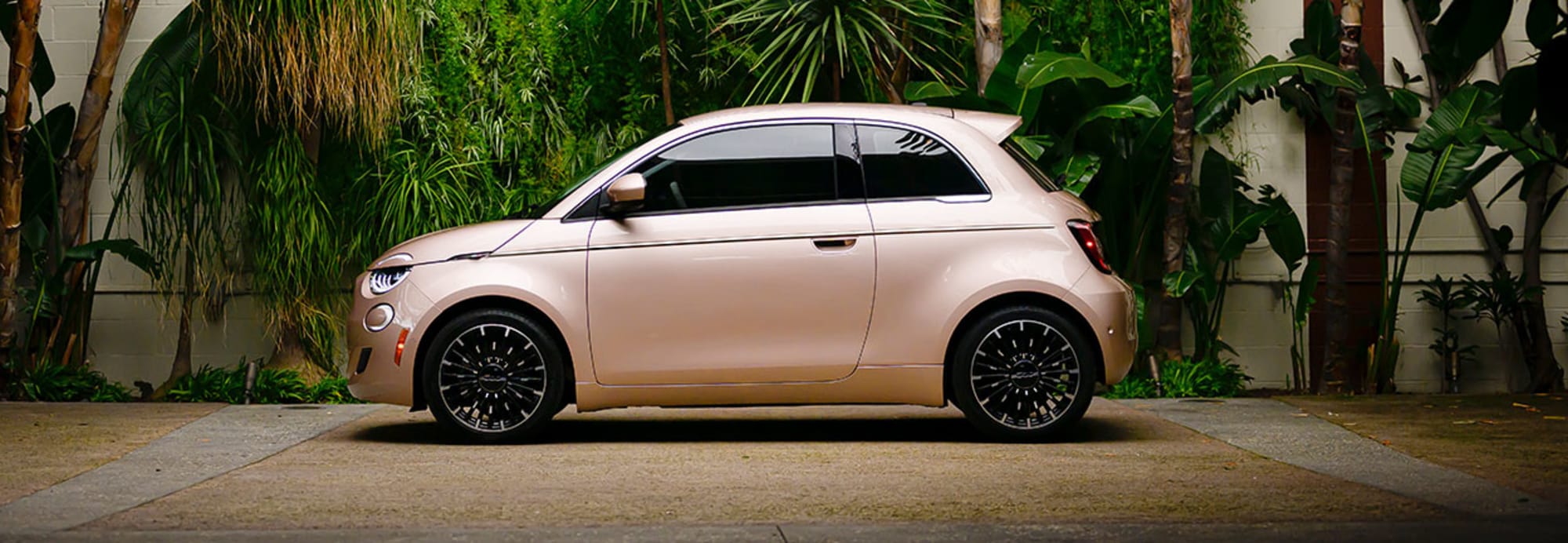
The Fiat 500e is arguably the most honest car on this list. It doesn’t pretend to be a cross-country hauler. With a 42-kWh battery and a 149-mile range, it is a fashion statement on wheels.
- The Reality Check: While 149 miles sounds doable for a week of commuting, that number is highly volatile. In 2025 winter performance studies, small-battery EVs in cold climates saw range drops of up to 40%. For the Fiat, a bad snowstorm in Chicago could turn that 149-mile range into a stressful 90-mile dash.
- The Verdict: At roughly $32,500, you’re paying for Italian style and the ability to park in spaces other cars can't fit into. It's a "vibe," but a geographically restricted one.
The 2025 Nissan Leaf S (149 Miles)
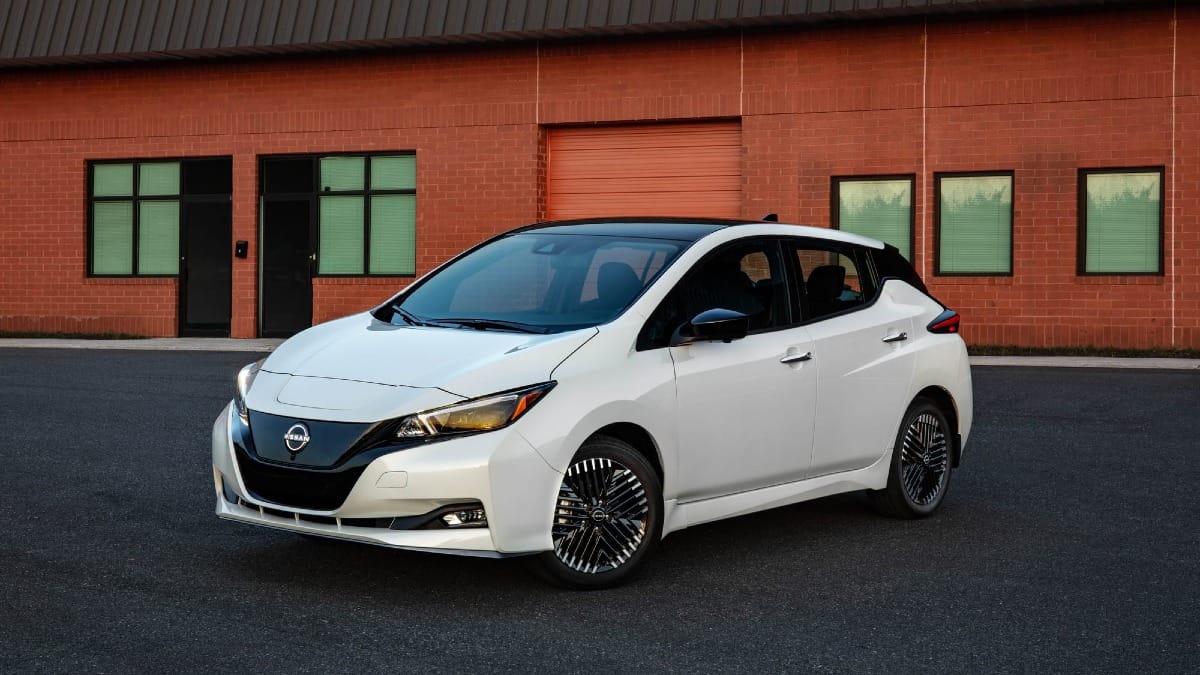
The Leaf is the elder statesman of the EV world, but in 2025, it’s a bit like using a flip phone in a smartphone world. The base 2025 Leaf S still offers 149 miles of range and carries a major technical "black mark": the CHAdeMO charging port.
- The Reality Check: Most of the industry has officially moved to the NACS (Tesla) or CCS standards. Finding a fast-charger for a Leaf in 2025 is becoming a scavenger hunt as infrastructure providers phase out the older plugs. Even the higher-trim 2025 Leaf SV Plus only reaches 212 miles, which still sits below the modern average.
- The Verdict: It remains one of the cheapest ways to buy a new EV (starting under $30,000), but its resale value is a ticking time bomb because of that outdated plug.
The "Middle-Range" Slump: 200 to 250 Miles
This is the danger zone. These cars are too expensive to be "budget" options, yet they lack the range to compete with the 300-mile standard.
The 2025 Toyota bZ4X & Subaru Solterra (222–228 Miles)
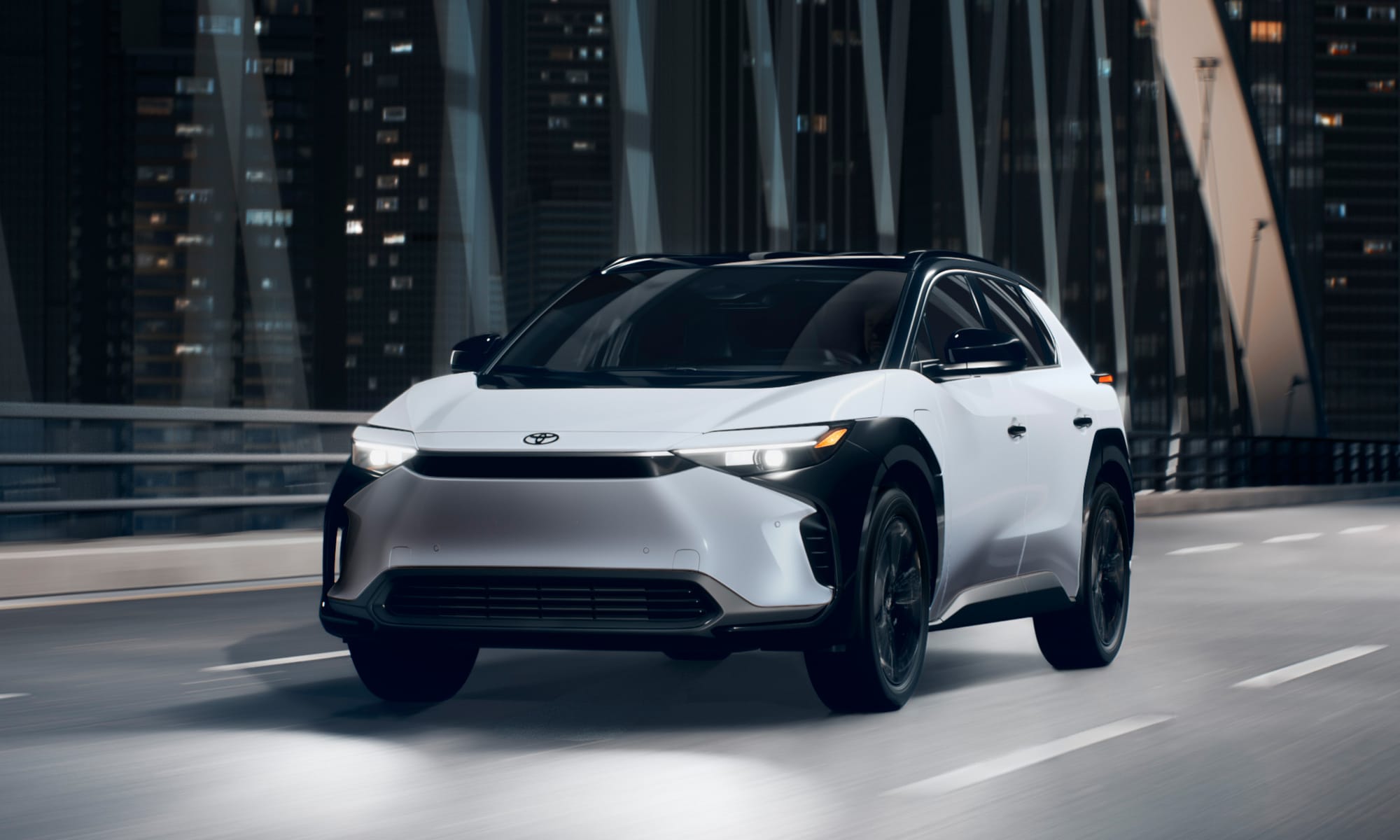
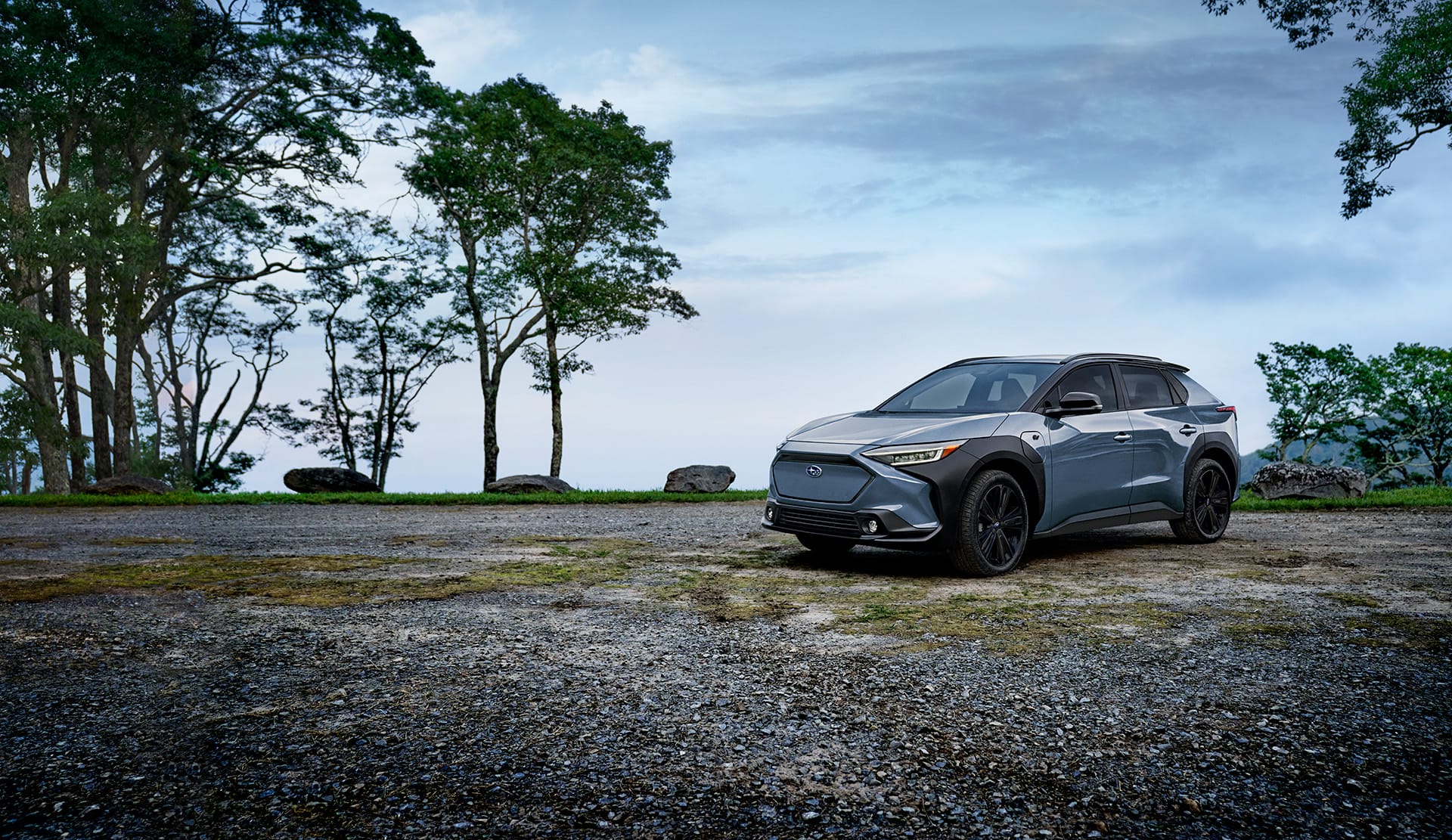
The collaboration between Toyota and Subaru resulted in the 2025 bZ4X and the 2025 Solterra, both of which continue to struggle in 2025. While Toyota has offered significant incentives this year, the AWD versions still hover around a disappointing 222-mile mark.
- The Reality Check: It isn't just the range; it's the "efficiency gap." These models still struggle with slower DC fast-charging speeds (maxing out around 100 kW) compared to the 230+ kW speeds of Hyundai or Kia. If you’re down to 10% on a road trip, you’ll be sitting at the charger much longer than your peers for fewer miles gained.
The 2025 VW ID.4 Standard (206 Miles)
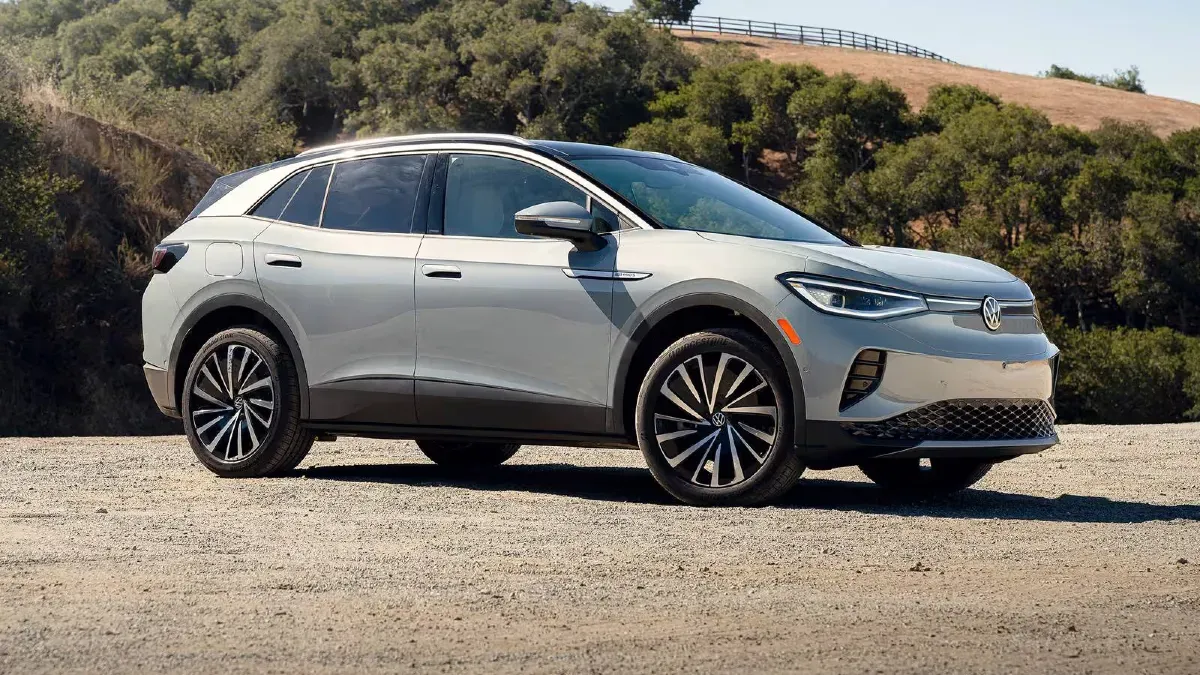
Volkswagen’s entry-level 2025 ID.4 Standard uses a smaller 62-kWh battery to keep the price point attractive. However, at 206 miles, it sits in an awkward spot for a family SUV.
- The Reality Check: The ID.4 is a heavy, spacious vehicle. Using a small battery to move a big frame is inherently inefficient. While the 2025 ID.4 Pro (291 miles) is a solid contender, the Standard trim feels like a compromise that most buyers will regret the first time they have to take a 100-mile round trip in the winter.
Is Low Range a Business Killer?
Many entrepreneurs look at the 2025 Hyundai Kona Electric SE (200-mile trim) or a used 2024 Mini Cooper SE as "cheap" entry points into a Turo rental fleet. However, in 2025, the Turo game is much more sophisticated.
The Guest Ignorance Penalty
The biggest risk with a low-range rental isn't the car—it's the renter. A traveler might rent your 2025 Fiat 500e because it’s the most affordable EV on the map. They often don’t check the range specs. They try to drive from the airport to a mountain resort 100 miles away, realize they can't make it back, and suddenly you (the host) are dealing with a stranded guest and a 1-star review.
The Depreciation Trap
In 2025, 300 miles is the new "psychological floor" for used car buyers. When you go to sell your 2025 Nissan Leaf or 2025 bZ4X in three years, you’ll find that the market for a used 200-mile car is shrinking rapidly. If you’re buying for business, the extra $5,000 for a long-range model usually pays for itself in higher daily rates and significantly better resale value.
The "Urban Runabout" Strategy
That said, some hosts thrive with these cars by leaning into the niche. If you live in a dense hub like San Francisco or New York, a 2025 Fiat 500e is a high-utilization asset because it's cheap to rent and easy to park. The key is strict communication.
Why 200 Miles "Hits Different" in 2025
You’ll often hear the argument: "The average American only drives 30 miles a day, so 150 miles is plenty!" While mathematically true, this ignores the "Real World" factors of 2025:
- The 80% Rule: To preserve battery health, most manufacturers recommend charging to 80% for daily use. Your 200-mile car is actually a 160-mile car on a typical Tuesday morning.
- The "Energy Tax": Running the heater in the winter or the AC in a summer heatwave can sap 20% of your battery instantly. In a 2025 Lucid, that’s no big deal. In a 2025 Fiat, that’s the difference between getting home and getting stranded.
- Infrastructure Fatigue: Even though charging stations are more common in 2025, they aren't always reliable. Having 300 miles of range gives you the "buffer" to drive to the next station if the first one is broken. In a 150-mile car, you’re calling a tow truck.
2025 Low-Range EV Comparison Guide
| Model | Year | EPA Range | MSRP (Approx) | Best For... |
| Nissan Leaf S | 2025 | 149 mi | $28,140 | Budget commuters with home charging. |
| Fiat 500e | 2025 | 149 mi | $32,500 | Urban dwellers who prioritize style. |
| Hyundai Kona SE | 2025 | 200 mi | $32,875 | A practical, no-frills second family car. |
| VW ID.4 Standard | 2025 | 206 mi | $39,735 | People who want the SUV size but stay local. |
| Mini Countryman SE | 2025 | 212 mi | $45,200 | Performance fans who want a premium badge. |
| Toyota bZ4X AWD | 2025 | 222 mi | $44,000 | Toyota loyalists who don't road trip. |
Final Thoughts: So, Should You Buy One?
Honestly? Only if you have Level 2 charging at home. Despite the "poor" labels, these cars aren't objectively "bad"—they are specialized.
If you can plug in every night and wake up with a "full tank," a 150-mile car is actually a delight. It's zippy, efficient, and usually easier on the wallet.
But if you rely on public charging, or if you only have one car in the driveway, 2025 is the year to aim for the 300-mile mark.
In 2025, "Range Anxiety" has evolved into "Value Anxiety." We know the cars can get us to work and back; the question is whether we should be paying premium prices for hardware that feels a generation behind.
If you are looking for a deal, look at leasing. Because of the rapid technology shifts, 2025 is seeing massive "lease cash" incentives on these lower-range models (sometimes up to $7,500 off), which protects you from the eventual resale value crash.