Forget the fancy EVs and the luxury SUVs. If you want to build a high-yield rental fleet or a delivery side-business in 2025, the real money hides in the "boring" section of the used car lot.
In the world of car-sharing, we use the Profit Test. It’s a simple math problem: How fast can the daily rental income pay off the total cost of the vehicle?
While luxury cars look great on social media, they often fail this test because of high insurance, rapid depreciation, and expensive repair bills.
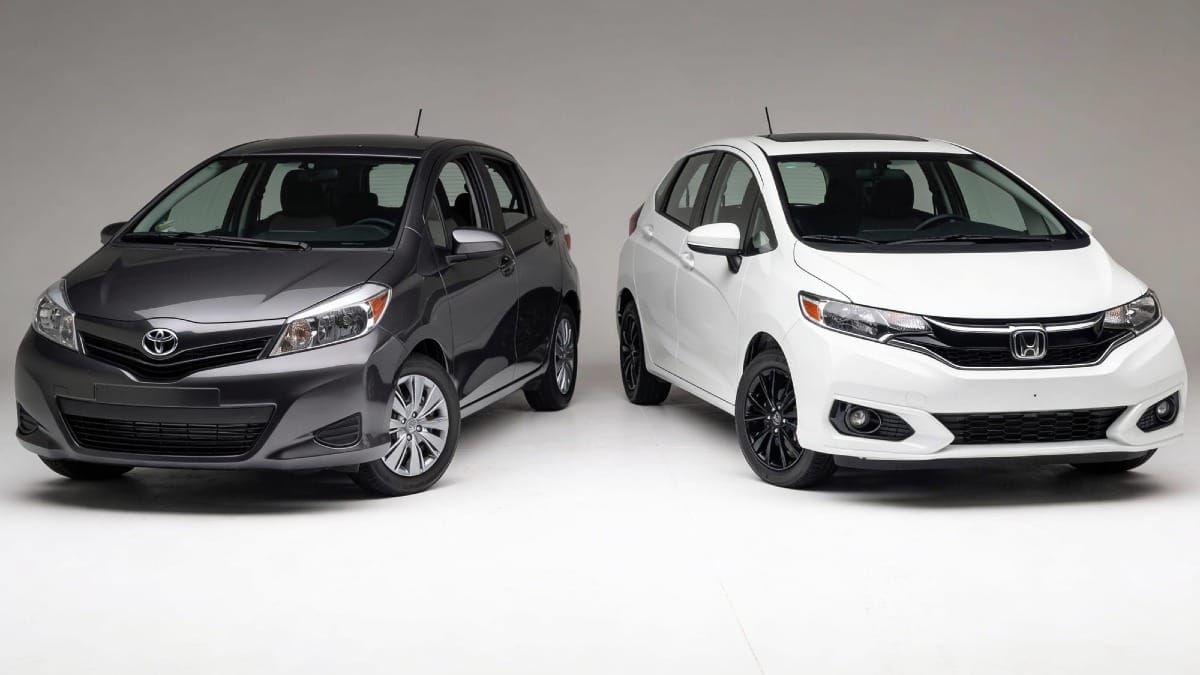
Enter the small-car legends: the Toyota Yaris and the Honda Fit. These aren't just vehicles; they are low-overhead cash machines. For the new year, one is clearly outperforming the other in the race for returns.
The Case for Small Cars in 2026
Before looking at the head-to-head, we should talk about the current market. Affordable utility is a huge trend on rental platforms right now. With inflation squeezing travel budgets, many renters aren't looking for a pricey SUV to drive ten miles from the airport. They want a clean, dependable ride that costs less than their dinner.
The Yaris and the Fit sit in a sweet spot for several reasons:
- Lower Insurance: These models fall into low-risk categories for providers.
- Frequent Bookings: Since they are priced competitively, they rarely sit in a parking lot. A car that rents 25 days a month at $45 usually beats a car that rents 5 days at $150.
- Stable Value: Both models have already taken their biggest price hits. A 2017 Yaris bought for $9,000 today will stay close to that price in two years, even after you add thousands of rental miles.
The Honda Fit (2015–2020): Practicality Rules
The Honda Fit is the "Swiss Army Knife" of hatchbacks. Even though it left the US market after 2020, its reputation for having a massive interior has made it a favorite for renters.
The "Magic Seat" Advantage
The secret weapon here is interior space. The "Magic Seats" allow the rear seat bottoms to flip up or the whole row to fold flat.
- Guest Appeal: Guests use Fits to move small bikes, TVs, or even camping gear.
- Better Reviews: Guests often leave five-star ratings specifically mentioning how much they could pack inside. Those reviews help you climb the search rankings on rental apps.
The 2025 Returns
Because people know the Fit is great, used prices stay high. In 2025, a clean 2018 Honda Fit with 70,000 miles can still cost between $14,000 and $16,000.
- Daily Rate: $50–$60
- Monthly Gross: $1,250 (at 25 days)
- Break-Even Time: About 13 months
The Maintenance Side
The third-generation Fit (2015+) uses a direct-injection engine. This gives it more pep, but it can lead to carbon buildup on the intake valves over time. If the car starts to sputter around 100,000 miles, you might need a $500 cleaning service to fix the issue.
The Toyota Yaris (2012–2018): The Budget Play
If the Fit is a multi-tool, the Yaris is a brick. It is one of the most reliable models Toyota has ever made, mostly because there is almost nothing in it to break.
Simple Tech Means High Profit
The 2012–2018 Yaris uses an older 4-speed automatic transmission and a simple engine. In 2025, "old tech" is great for a fleet owner.
- Durability: These transmissions are tough. While modern CVTs can be sensitive to rough driving, the Yaris gearbox can handle a lot of wear.
- Low Repair Costs: Since these parts are so common, you can find them at any local shop for cheap. A Yaris alternator is much easier and cheaper to swap than the units in complex modern cars.
The 2025 Returns
This is where the Yaris wins. You can find a good 2015 Yaris for $8,000 to $10,000.
- Daily Rate: $42–$48
- Monthly Gross: $1,100 (at 25 days)
- Break-Even Time: Only 8 months!
By the time a Honda Fit owner is just starting to see a profit, the Yaris owner has already paid off the car and is pocketing over $1,000 a month.
The Maintenance Match-Up (2025 Data)
| Item | Honda Fit (2015-2020) | Toyota Yaris (2012-2018) |
| Brake Job | $120 | $90 |
| Oil Change | $65 | $55 |
| Starter Repair | $450 | $320 |
| New Tires (Set) | $550 | $400 |
| Transmission Service | $250 | $150 |
The Yaris costs less across the board. Over three years, those small savings turn into thousands of dollars in your pocket.
The "Before You Buy" Checklist
Before you put your cash on the table, you need to know exactly what you’re looking at. These cars are legends, but a poorly maintained one can turn your "passive income" dream into a repair bill nightmare.
Honda Fit (2015–2020) Inspection
- The "Cold Start" Rattle: Ask the seller to leave the engine cold. When you turn the key, listen for a 2-second metallic rattle. If you hear it, the VTC Actuator is failing—a $600 repair.
- The Dashboard Warning Lights: Bring a cheap OBD-II scanner. If you see codes P0300 through P0304, the car likely has carbon buildup on the intake valves or failing fuel injectors.
- The "Spare Tire" Lake: Lift the carpet in the trunk and look at the spare tire well. If you see water or rust, the hatch seals are leaking.
Toyota Yaris (2012–2018) Inspection
- Check the Transmission Fluid: Pull the dipstick. The fluid should be pink or red. If it's black or smells burnt, walk away. It means the car was thrashed.
- Front Suspension Noise: Drive over a speed bump at an angle. A "clunk" sound usually means the strut top mounts are worn out.
- The Idle Vibration: If the steering wheel shakes while you’re stopped at a red light, the motor mounts are likely shot. It’s a common issue that makes the car feel "cheap" to a renter.
Final Verdict
In 2025, the Toyota Yaris wins the profit test for the serious investor. While the Honda Fit is a better car for daily driving, the Yaris is a better investment asset. The lower purchase price means your risk is lower and you get your money back months earlier.
The Winner: Toyota Yaris (2012–2018).